
ACCESSION雷電雷電
雷電
雷電暂无中文简介。
输入演员的中文名或英文名,先确认人物,再查看其参演电影(含配音,不含电视剧)。
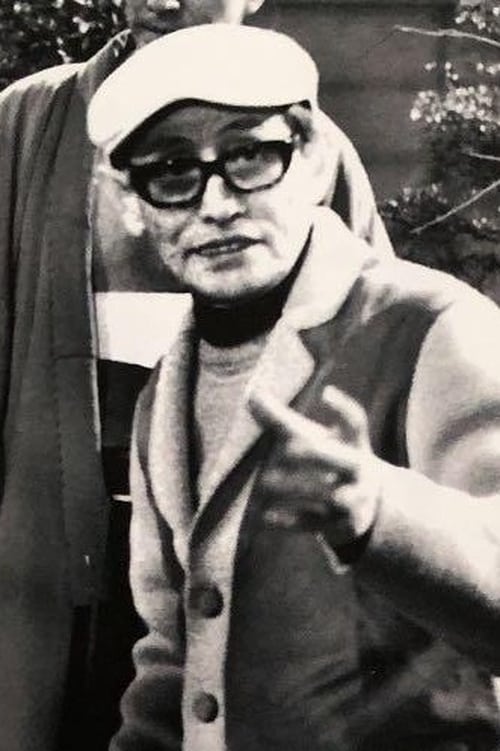
Masahiro Makino (マキノ 雅弘, Makino Masahiro, February 29, 1908 - October 29, 1993) was a Japanese film director. He directed more than 260 films, primarily in the chanbara and yakuza genres. His real name was Masatada (正唯), but he took the stage name Masahiro, the kanji for which he changed multiple times (including 雅広, 正博, and 雅裕). Masahiro Makino was born in Kyoto, the eldest son of the film director and producer Shōzō Makino, who is often called the father of Japanese cinema. As a youth he acted in over 100 films before debuting as a film director in 1926 at age 18. His critically acclaimed nihilistic jidaigeki such as Roningai (1928) made him one of the top Japanese film directors, but his way of shooting films quickly also earned him detractors. For instance, the total time it took to shoot the 1936 film Edo no Ka Oshō was only 28 hours.The critic Sadao Yamane, however, has argued that this fast filming practice also contributed to Makino's speedy, rhythmic film style. Rhythm and tempo are important to his films, and so in his jidaigeki, fight scenes like in Kettō Takadanobaba (1937) could seem like dances, or entire sequences, like in Awa no Odoriko (1941), could be filled with dance. He made musicals like Singing Lovebirds (1939) and even his wartime propaganda films like Hanako-san and Ahen senso (both 1943) could have Busby Berkeley-like musical numbers. After the war, he helmed such popular jidaigeki series as Jirōchō Sangokushi and such ninkyō eiga series as Nihon Kyōkaku-den. He directed his last film in 1972, the retirement film for Junko Fuji, completing a filmography that totaled over 260 films and included films of many genres.
人物资料来源:TMDB电影背景图,不保证每张都有人物本人出镜。
暂无可用剧照。
暂无中文简介。
暂无中文简介。
暂无中文简介。
暂无中文简介。
暂无中文简介。