


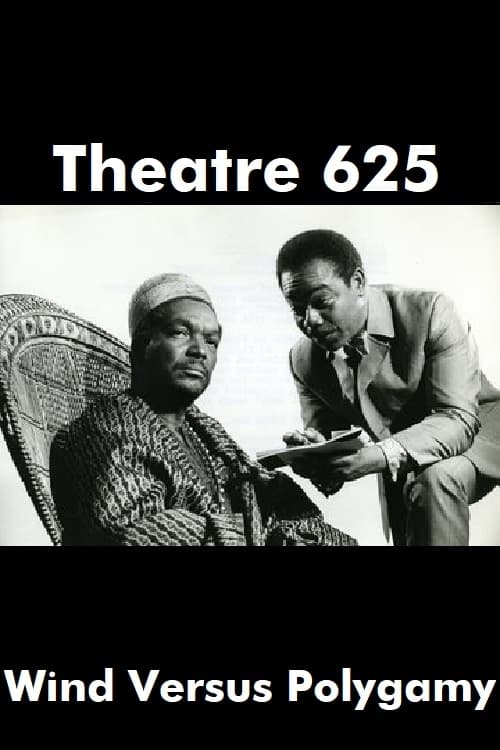
Wind Versus Polygamy
Wind Versus Polygamy暂无中文简介。
输入演员的中文名或英文名,先确认人物,再查看其参演电影(含配音,不含电视剧)。
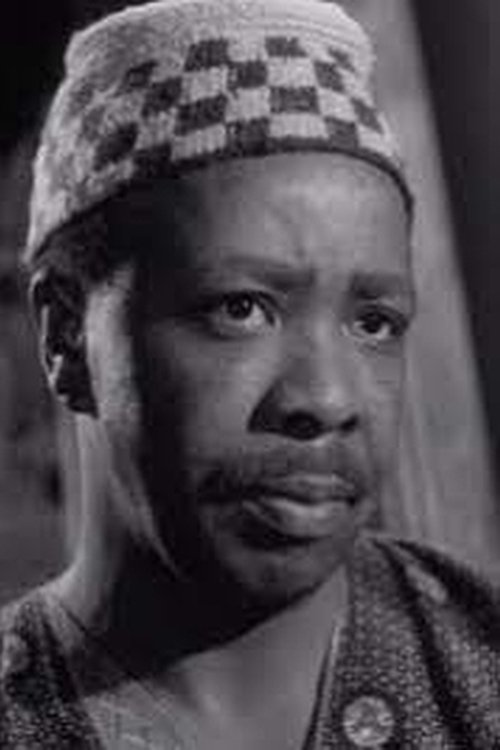
暂无中文生平,以下显示来源原文。
Lionel Ngakane (17 July 1928 – 26 November 2003) was a South African filmmaker and actor, who lived in exile in the United Kingdom from the 1950s until 1994, when he returned to South Africa after the end of apartheid. His 1965 film Jemima and Johnny, inspired by the 1958 "race riots" in Notting Hill, London, won awards at the Venice and Rimini film festivals. In the 1960s, Ngakane was a founding member of the Pan African Federation of Filmmakers (FEPACI) and Fespaco, the Panafrican Film and Television Festival of Ouagadougou (FESPACO). Ngakane was born in Pretoria, South Africa.[2] In 1936, his family and he moved to the Sophiatown neighbourhood of Johannesburg. His father (a teacher) set up a hostel with Alan Paton, author of the 1948 novel Cry, The Beloved Country. Ngakane was educated at Fort Hare University College and the University of Witwatersrand, and worked on Drum and Zonk magazines from 1948 to 1950. In 1950, he began his career in film as an assistant director and actor in the film version of Cry, the Beloved Country (1951), directed by Zoltan Korda. Shortly thereafter, Ngakane went into exile in the United Kingdom. As an actor, he appeared in films, including The Mark of the Hawk in 1957 (with Eartha Kitt), on television — Quatermass and the Pit (1958) and the spy series Danger Man (Deadline, 1962) with Patrick McGoohan, and on stage — in Errol John's Moon on a Rainbow Shawl,[5] and Wole Soyinka's play The Lion and the Jewel at the Royal Court Theatre in 1966.[6] Ngakane returned to South Africa after the end of apartheid in 1994. He is best remembered for his short film Jemima and Johnny (1965), inspired by the 1958 "race riots" in Notting Hill, London. It won awards at the Venice and Rimini film festivals. He also directed documentaries on apartheid and African development. He was honorary president of the Pan African Federation of Filmmakers (FEPACI), which organization he had originated in 1967 as a lobbying group for the support of African filmmakers.[2] He died in Rustenburg, South Africa, in 2003, aged 75.
人物资料来源:TMDB从参演电影片单按 TMDB 评分人数选取。
暂无中文简介。
暂无中文简介。
暂无中文简介。
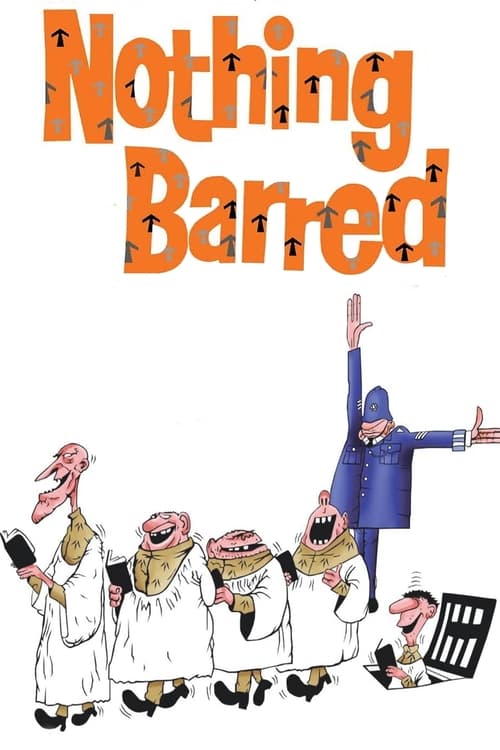
暂无中文简介。
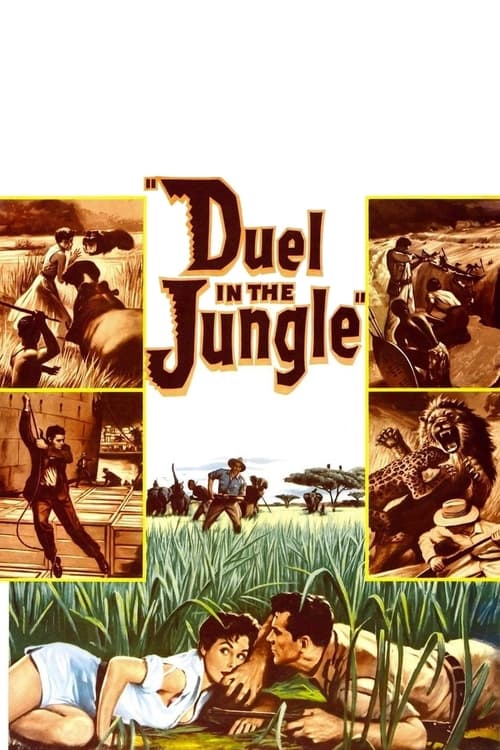
暂无中文简介。
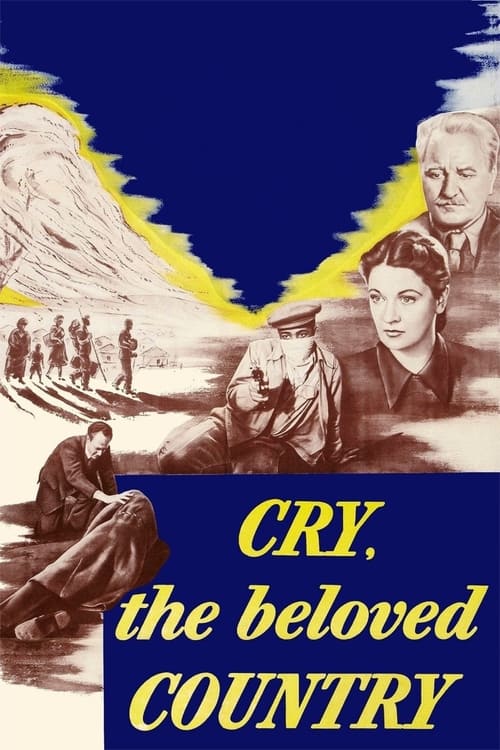
在南非的乡村地区,黑人牧师斯蒂芬·库马洛(Stephen Kumalo)前往城市寻找他失踪的儿子,却发现他的族人生活在贫困之中,而他的儿子成了罪犯。米西曼古(Misimangu)牧师是一位年轻的南非神职人员,他帮助库马洛在约翰内斯堡的贫民窟找到了失踪后沦为小偷的儿子和沦为妓女的妹妹。
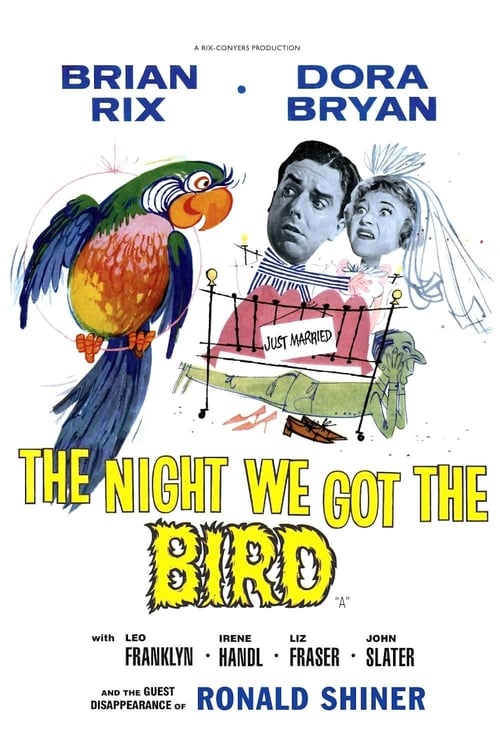
暂无中文简介。
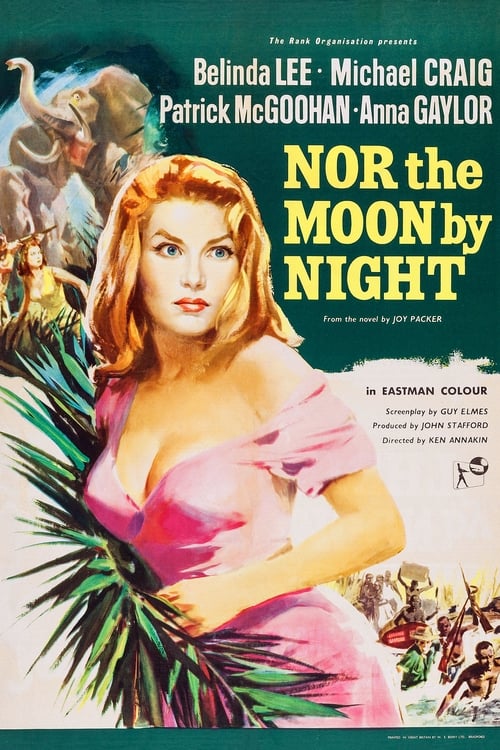
暂无中文简介。
暂无中文简介。
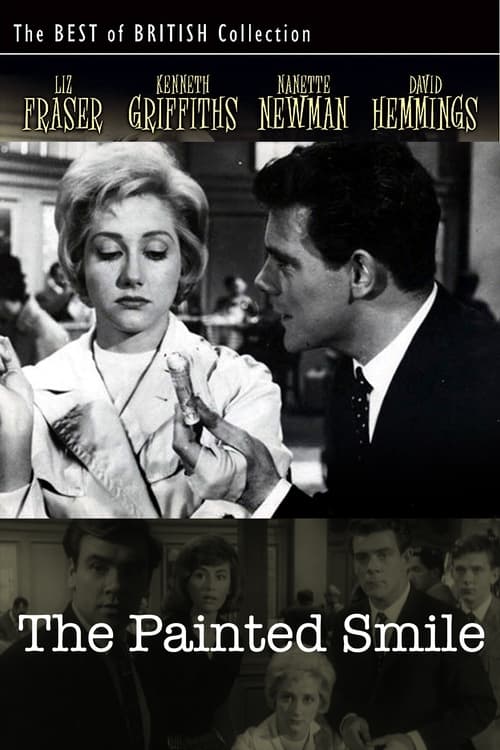
暂无中文简介。
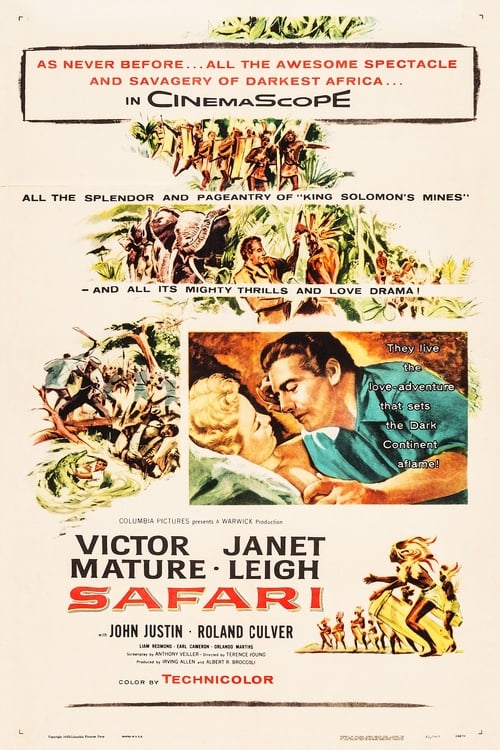
暂无中文简介。
暂无中文简介。
暂无中文简介。
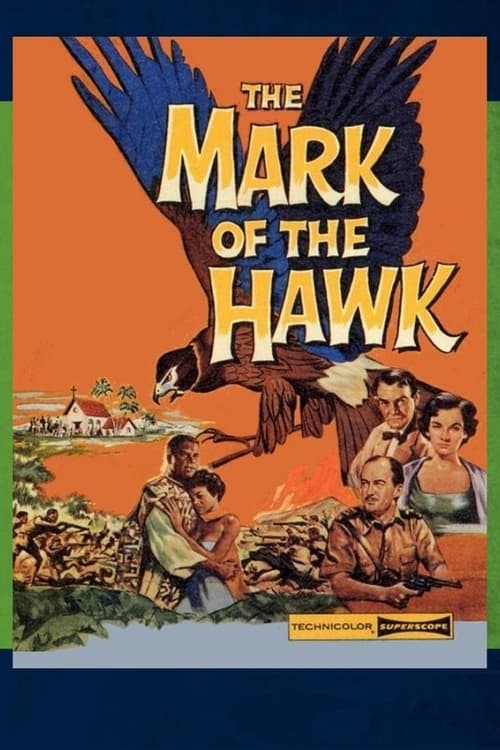
暂无中文简介。
暂无中文简介。
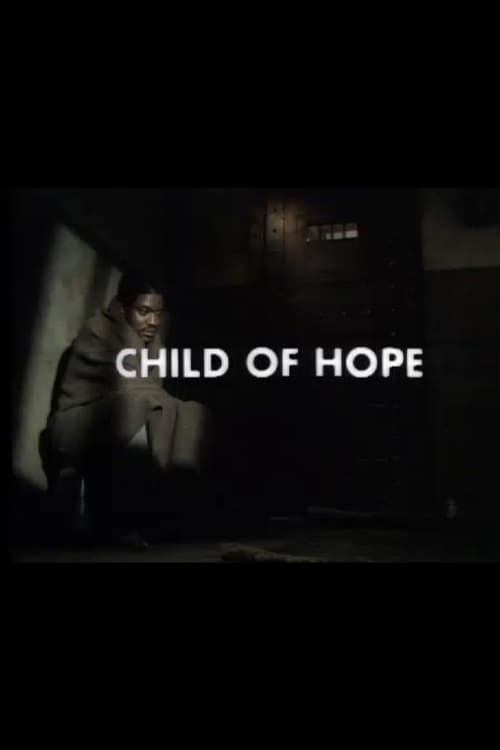
暂无中文简介。