


The Nelson Mandela 70th Birthday Concert
The Nelson Mandela 70th Birthday Concert暂无中文简介。
输入演员的中文名或英文名,先确认人物,再查看其参演电影(含配音,不含电视剧)。
暂无中文生平,以下显示来源原文。
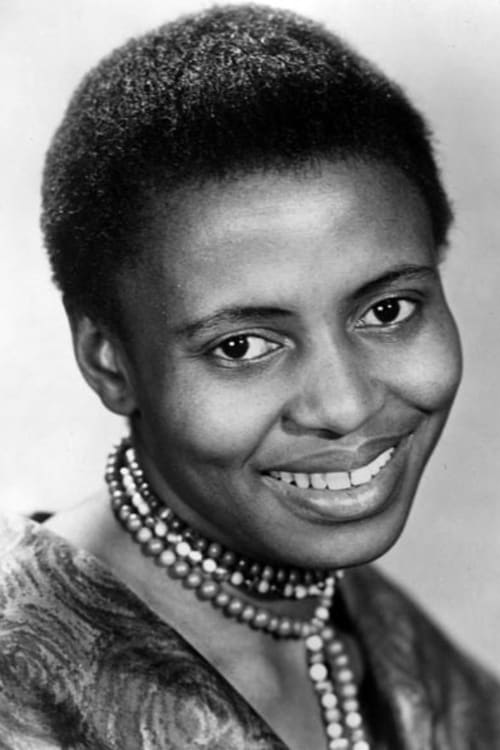
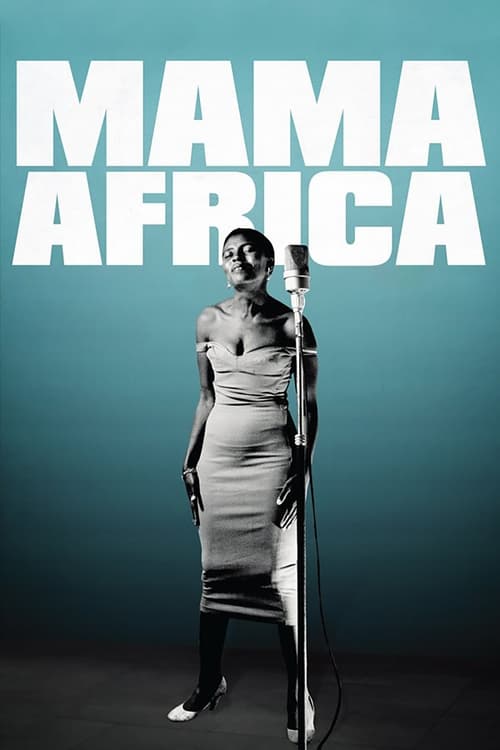
Zenzile Miriam Makeba (4 March 1932 – 9 November 2008), nicknamed Mama Africa, was a South African singer, songwriter, actress, and civil rights activist. Associated with musical genres including Afropop, jazz, and world music, she was an advocate against apartheid and white-minority government in South Africa. Born in Johannesburg to Swazi and Xhosa parents, Makeba was forced to find employment as a child after the death of her father. She had a brief and allegedly abusive first marriage at the age of 17, gave birth to her only child in 1950, and survived breast cancer. Her vocal talent had been recognized when she was a child, and she began singing professionally in the 1950s, with the Cuban Brothers, the Manhattan Brothers, and an all-woman group, the Skylarks, performing a mixture of jazz, traditional African melodies, and Western popular music. In 1959, Makeba had a brief role in the anti-apartheid film Come Back, Africa, which brought her international attention, and led to her performing in Venice, London, and New York City. In London, she met the American singer Harry Belafonte, who became a mentor and colleague. She moved to New York City, where she became immediately popular, and recorded her first solo album in 1960. Her attempt to return to South Africa that year for her mother's funeral was prevented by the country's government. Makeba's career flourished in the United States, and she released several albums and songs, her most popular being "Pata Pata" (1967). Along with Belafonte she received a Grammy Award for her 1965 album An Evening with Belafonte/Makeba. She testified against the South African government at the United Nations and became involved in the civil rights movement. She married Stokely Carmichael, a leader of the Black Panther Party, in 1968. As a result, she lost support among white Americans. Her visa was revoked by the US government when she was traveling abroad, forcing her and Carmichael to relocate to Guinea. She continued to perform, mostly in African countries, including at several independence celebrations. She began to write and perform music more explicitly critical of apartheid; the 1977 song "Soweto Blues", written by her former husband Hugh Masekela, was about the Soweto uprising. After apartheid was dismantled in 1990, Makeba returned to South Africa. She continued recording and performing, including a 1991 album with Nina Simone and Dizzy Gillespie, and appeared in the 1992 film Sarafina!. She was named an FAO Goodwill Ambassador in 1999, and campaigned for humanitarian causes. She died of a heart attack during a 2008 concert in Italy. Makeba was among the first African musicians to receive worldwide recognition. She brought African music to a Western audience, and popularized the world music and Afropop genres. She also made popular several songs critical of apartheid, and became a symbol of opposition to the system, particularly after her right to return was revoked. Upon her death, former South African President Nelson Mandela said that "her music inspired a powerful sense of hope in all of us." ... Source: Article "Miriam Makeba" from Wikipedia in English, licensed under CC-BY-SA 3.0.
人物资料来源:TMDB暂无中文简介。
暂无中文简介。

暂无中文简介。
暂无中文简介。
暂无中文简介。

1960年,联合国:全球南方掀起政治地震,音乐家艾比·林肯与马克斯·罗奇闯入安理会现场,赫鲁晓夫用鞋敲桌怒斥美国的种族隔离政策,而美国则派遣爵士大使路易斯·阿姆斯特朗前往刚果,试图转移世界对其在非洲策动首次后殖民政变的关注。
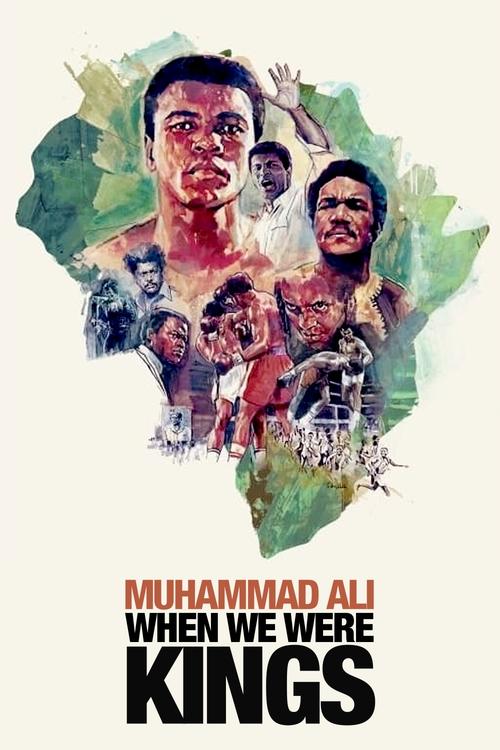
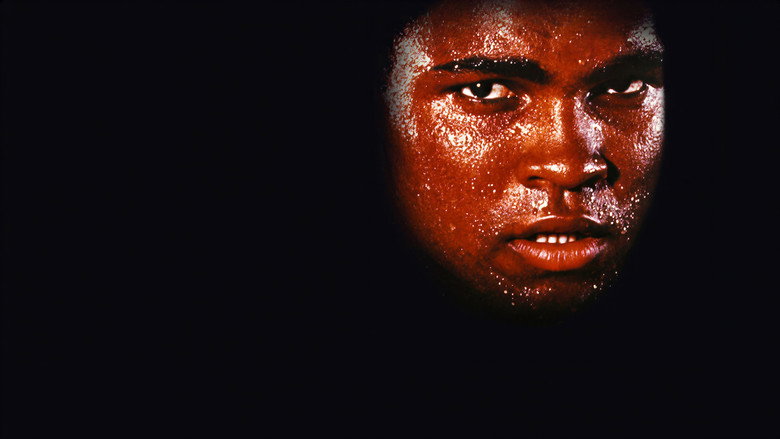
1974年,利昂·加斯特前往非洲拍摄《扎伊尔74》音乐节,该音乐节原计划伴同一场前所未有的体育盛事——“丛林之战”,在这场比赛中,生涯后期的逆袭者穆罕默德·阿里将与年轻的拳坛霸主乔治·福尔曼争夺重量级拳王头衔。正如金沙萨的广告牌所写,这是“两个黑人在一个黑人国度,由黑人组织的对决”。当主赛推迟,阿里延长了在非洲的停留时间,加斯特因此积累了一座丰富的影像宝库,记录了这位魅力非凡的运动员在为其职业生涯中最艰苦的比赛之一备战的同时,沉浸于作为美国黑人在后殖民非洲的骄傲大使的角色。历时二十年制作完成的本片,收录了诺曼·梅勒和乔治·普林顿的访谈,展现了这场比赛的轰动性影响,最终形成了一幅获得奥斯卡奖的阿里肖像,捕捉了他的魅力、风度与抗争精神。[标准收藏]

暂无中文简介。

暂无中文简介。
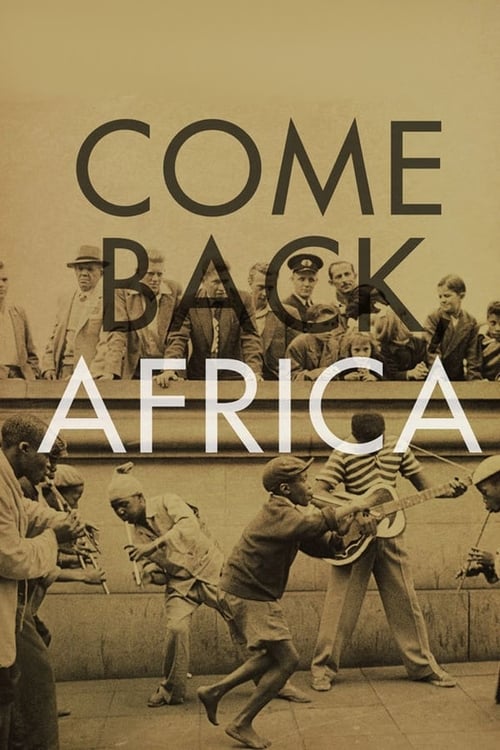
故事讲一个南非北部乡村的男人,到约翰内斯堡城里谋生的故事;那时的南非,种族隔离政策;是的黑人在城里工作,只能白天进城,晚上出城;而城里的工作需要有工作签证许可,白人与黑人地位的不同,生活的境遇也是天上地下;男人工作换了又换,却还在去另一个城市还是回乡中徘徊;男人的女人来了,男人的压力也大了;女人积极面对生来的处境,想要外出工作补贴家用和为孩子上学存钱;男人面对城市生活带来的改变以及家中女人谋求独立的要求;城市的繁华与游离的失业,传统的习俗和男人的家庭地位,在变革中的社会里,家庭面临的危机如平静水面下的暗涌。

暂无中文简介。
暂无中文简介。
暂无中文简介。

暂无中文简介。

暂无中文简介。

暂无中文简介。
暂无中文简介。
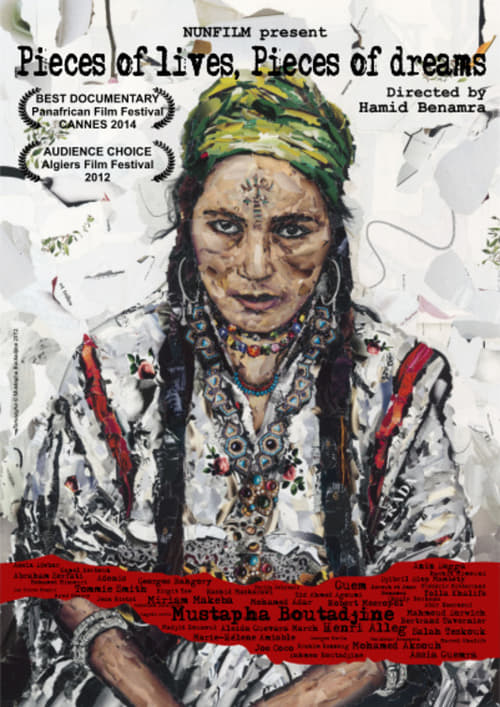
暂无中文简介。

暂无中文简介。

暂无中文简介。