


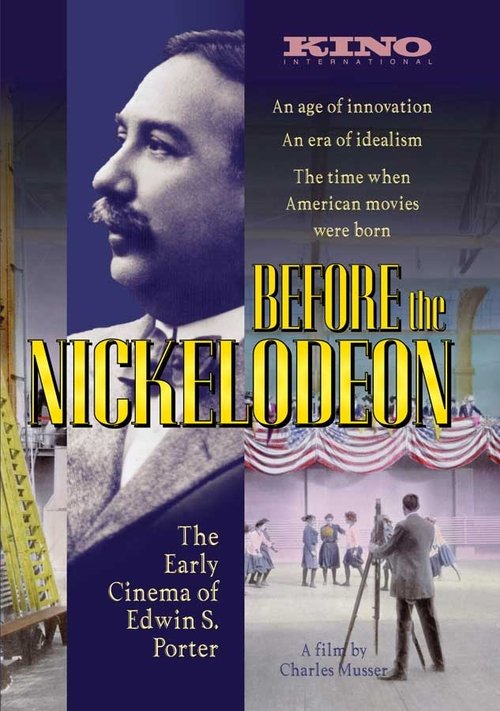
Before the Nickelodeon: The Cinema of Edwin S. Porter
Before the Nickelodeon: The Cinema of Edwin S. Porter暂无中文简介。
输入演员的中文名或英文名,先确认人物,再查看其参演电影(含配音,不含电视剧)。
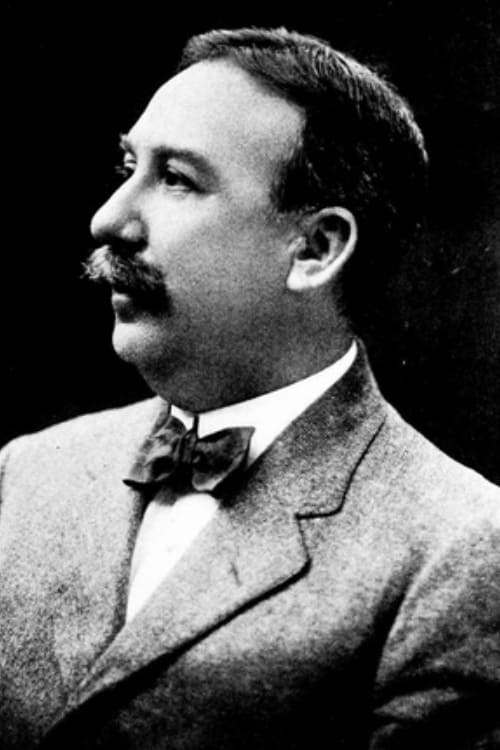
暂无中文生平,以下显示来源原文。
Edwin Stanton Porter was an American film pioneer, most famous as a producer, director, studio manager and cinematographer with the Edison Manufacturing Company and the Famous Players Film Company. Influenced by both the "Brighton school" and the story films of Georges Méliès, Porter went on to make important shorts such as Life of an American Fireman (1903) and The Great Train Robbery (1903). In them, he helped to develop the modern concept of continuity editing, paving the way for D.W. Griffith who would expand on Porter's discovery that the unit of film structure was the shot rather than the scene. Porter, in an attempt to resist the new industrial system born out of the popularity of nickelodeons, left Edison in 1909 to form his own production company which he eventually sold in 1912. Porter remains an enigmatic figure in motion picture history. Though his significance as director of The Great Train Robbery and other innovative early films is undeniable, he rarely repeated an innovation after he had used it successfully, never developed a consistent directorial style, and in later years never protested when others rediscovered his techniques and claimed them as their own. He was a modest, quiet, cautious man who felt uncomfortable working with the famous stars he directed starting in 1912. He has directed four films that have been selected for the National Film Registry by the Library of Congress as being "culturally, historically or aesthetically" significant: Life of an American Fireman (1903), The Great Train Robbery (1903), Dream of a Rarebit Fiend (1906) and Tess of the Storm Country (1914).
人物资料来源:TMDB从参演电影片单按 TMDB 评分人数选取。
电影背景图,不保证每张都有人物本人出镜。
暂无中文简介。
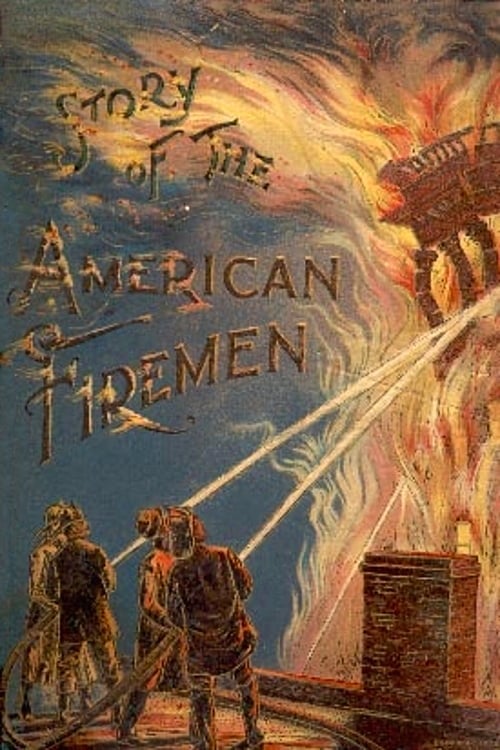
暂无中文简介。