

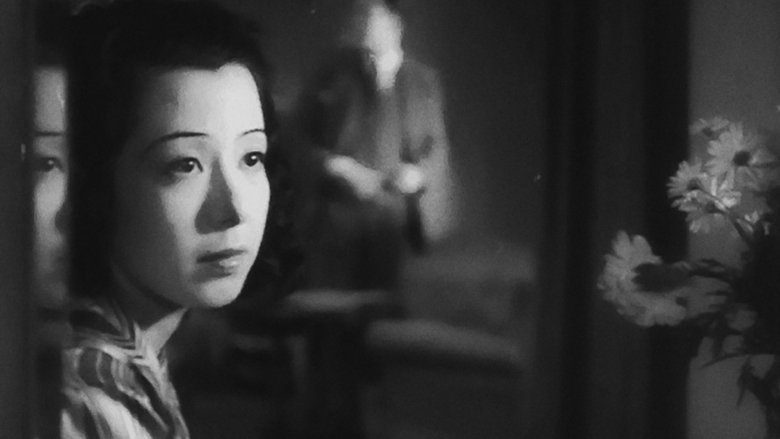

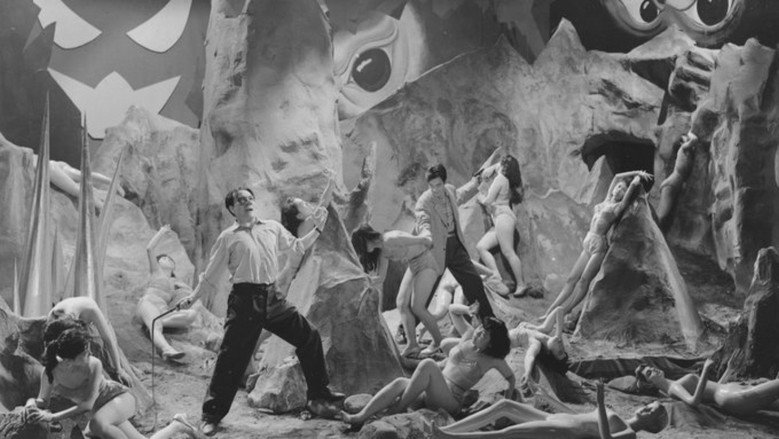
ACCESSION地上の星座 前篇 地上篇地上の星座 前篇 地上篇
地上の星座 前篇 地上篇
地上の星座 前篇 地上篇暂无中文简介。
输入演员的中文名或英文名,先确认人物,再查看其参演电影(含配音,不含电视剧)。
暂无中文生平,以下显示来源原文。
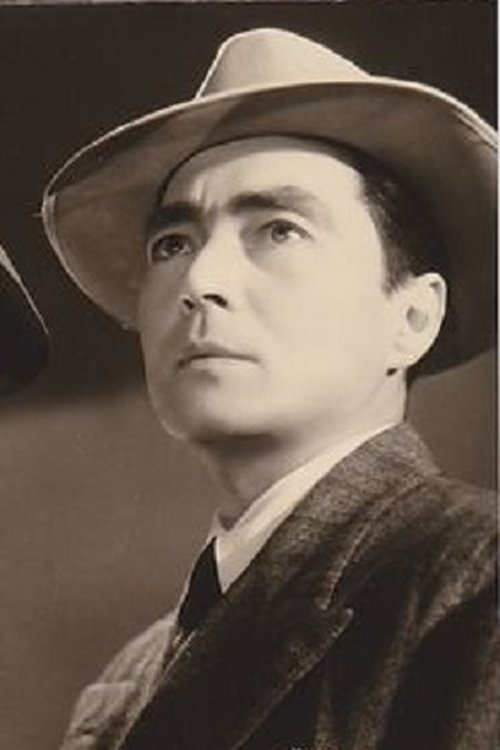
Joji Oka, born in Tokyo, Japan, on May 25, 1902, was a renowned Japanese actor celebrated for his versatile roles in the film industry. His given name was Katsuzo Nakamizo, and he also used alternate names, including Susumu Minobe. Oka embarked on his cinematic journey in the late 1920s, making his debut with the film "Ryuko no Maki Tora no Maki" in 1928. He rose to prominence as a leading actor in movies like "Akai Hi Aoi Hi" (Red Lights, Blue Lights) in 1929. His influence extended across silent and sound films, where he showcased his remarkable voice and talent. In the early 1930s, Oka encountered personal and professional challenges, including a romantic involvement with actress Ran Koizumi and a subsequent disappearance incident. Later, he joined Toho Studios, further solidifying his position as a leading actor. Notable works, such as "Shiroi Kinjo" (White Robes) in 1936, featured his exceptional talents. During World War II, Oka served in the Imperial Japanese Army while simultaneously pursuing his acting career. Following the war, he resumed his involvement in filmmaking and garnered recognition for his roles in movies like "Kanchi eizu Seiretsu" (The Ambitious Gang) in 1954. Oka's career spanned from the late 1920s to the late 1960s, showcasing his versatility and skill in various genres, encompassing modern drama, period pieces, and action films. He passed away on December 17, 1970, at the age of 68, leaving behind a legacy of memorable performances within the realm of Japanese cinema.
人物资料来源:TMDB从参演电影片单按 TMDB 评分人数选取。
暂无中文简介。
暂无中文简介。
暂无中文简介。

暂无中文简介。
暂无中文简介。
暂无中文简介。
暂无中文简介。
暂无中文简介。
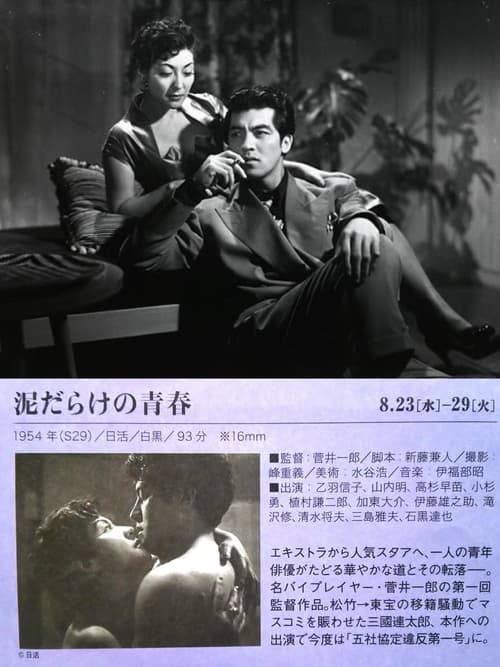
暂无中文简介。
暂无中文简介。
暂无中文简介。
暂无中文简介。
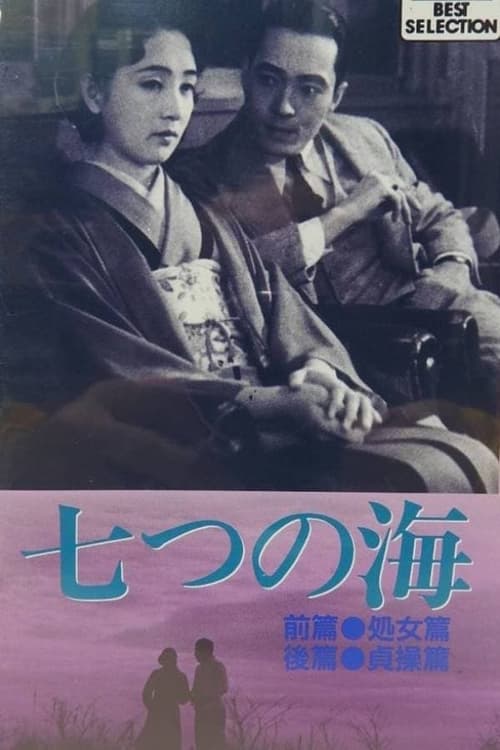
暂无中文简介。
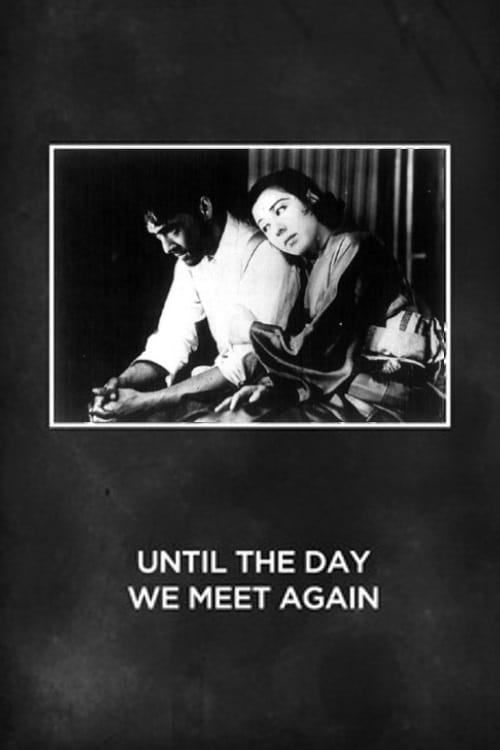
暂无中文简介。
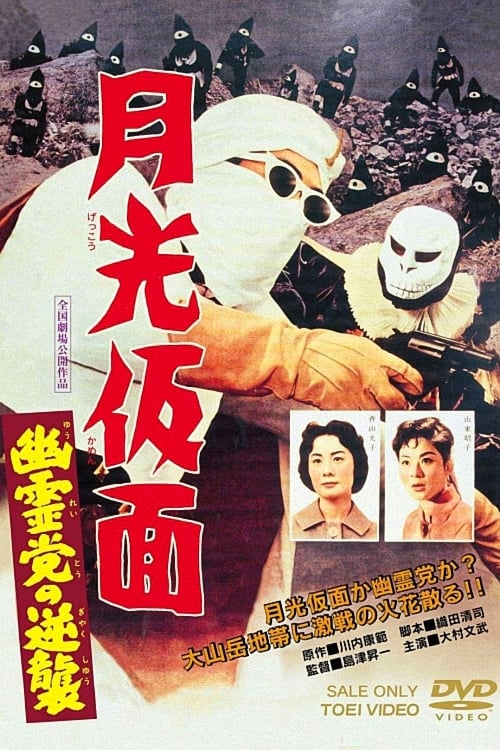
暂无中文简介。
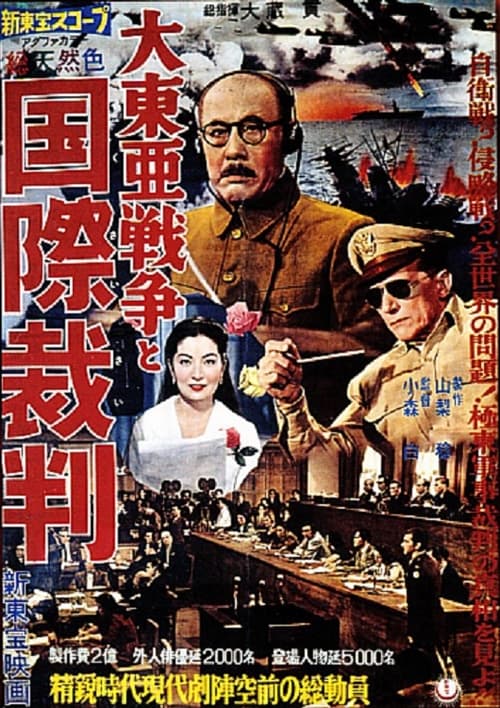
暂无中文简介。
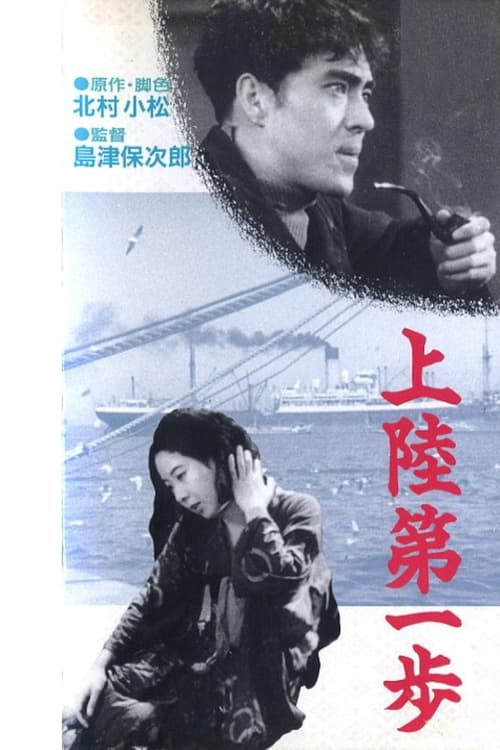
暂无中文简介。
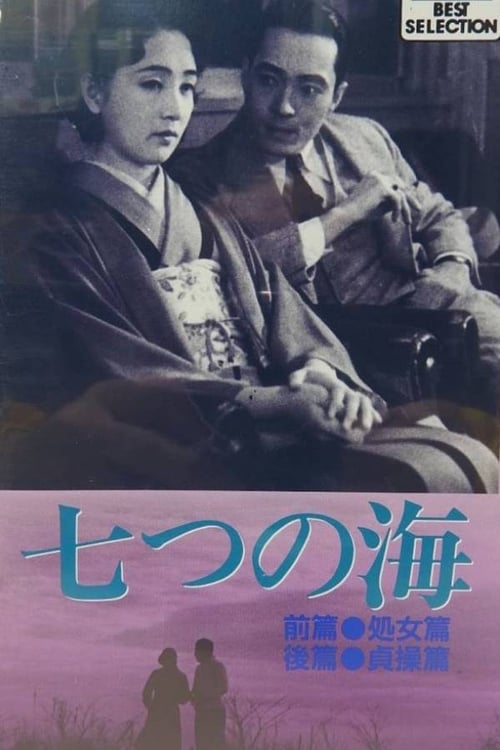
暂无中文简介。
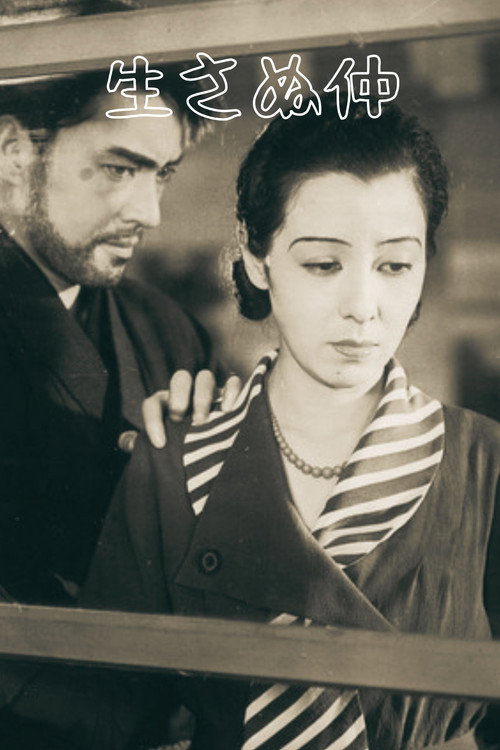
为了摆脱贫穷的生活,清冈球江(冈田嘉子 饰)抛弃了丈夫渥美俊荣(奈良真养 饰)和尚在襁褓中的女儿滋子,只身远赴好莱坞影视圈发展。在此后的岁月里,渥美投资渔业公司,生意越做越大,与此同时还迎娶温柔贤惠的真砂子(筑波雪子 饰)为妻。真砂子视滋子(小岛寿子 饰)若己出,滋子也深爱这个美丽的母亲,一家人的生活何其幸福。 某天,功成名就的球将返回阔别已久的日本,此行的目的只有一个,那便是找回失却的女儿。就在此时,渥美的公司陷入财政危机,球江希望借机注资以得到女儿,却遭到前夫的拒绝。不久,公司倒闭,渥美一家的生活充满困顿。而两位母亲针对女儿的争夺也渐渐激烈……
暂无中文简介。
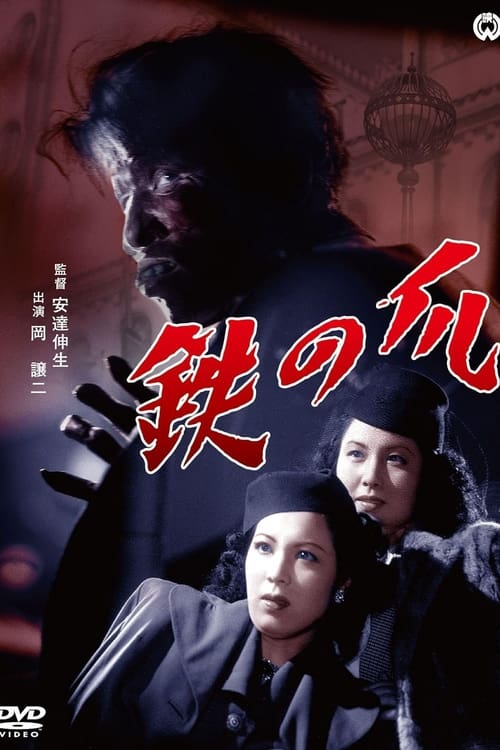
暂无中文简介。
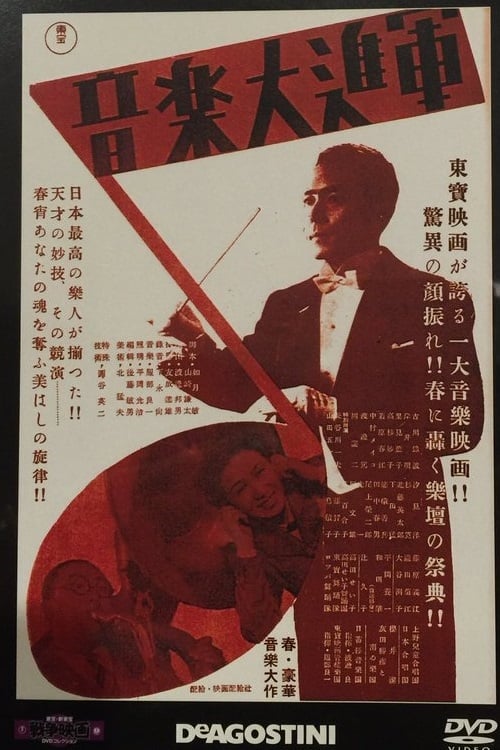
暂无中文简介。
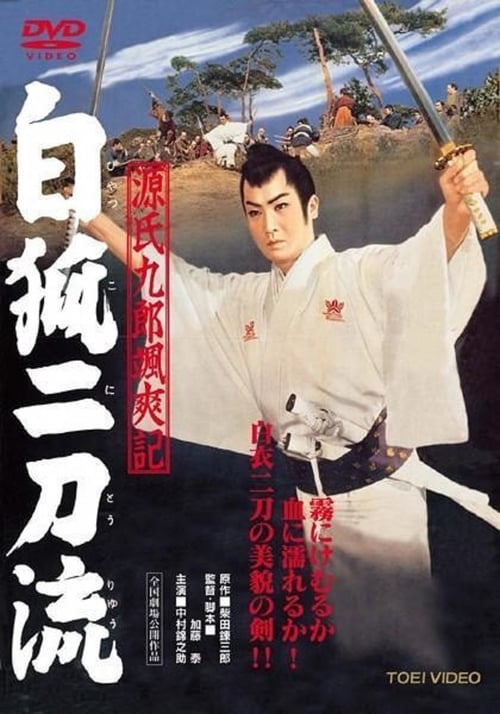
暂无中文简介。
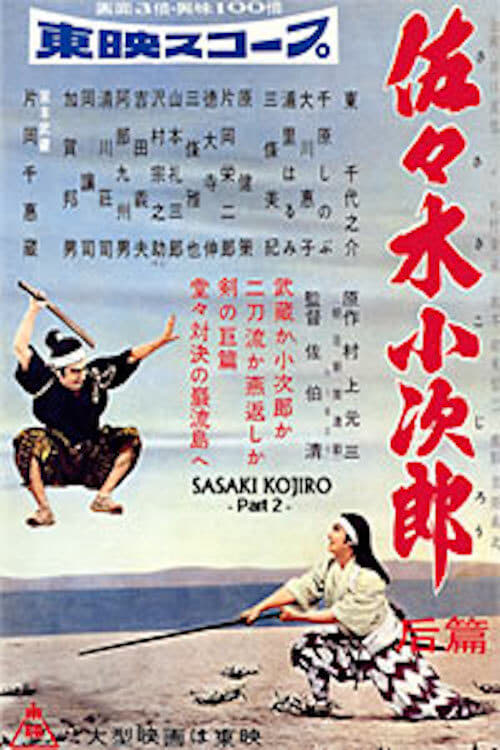
暂无中文简介。
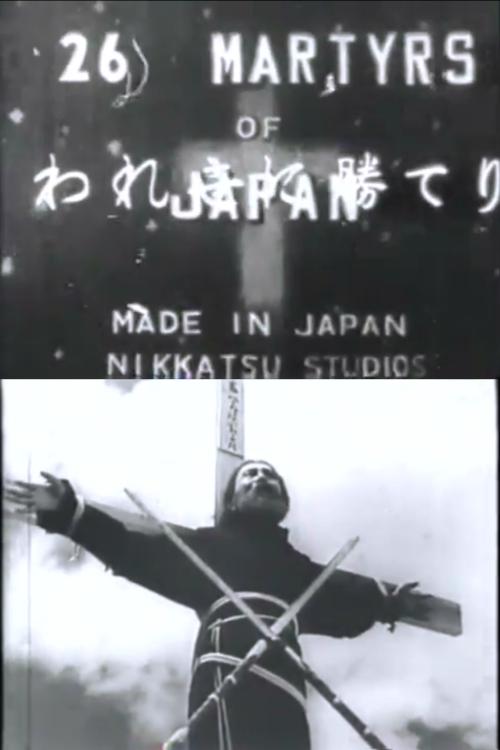
暂无中文简介。
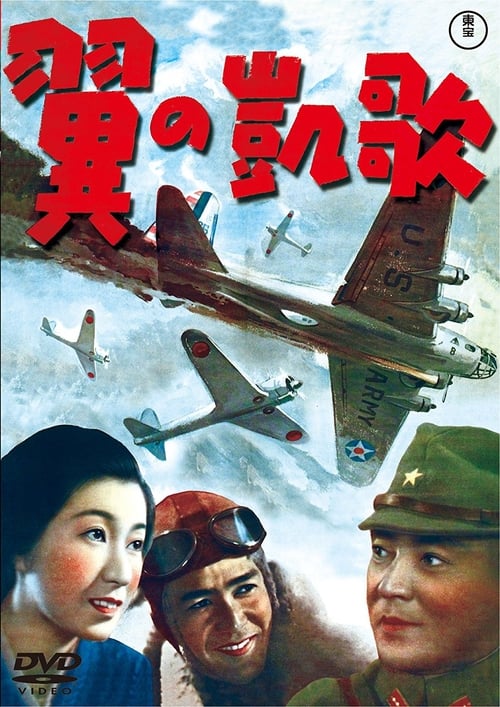
暂无中文简介。
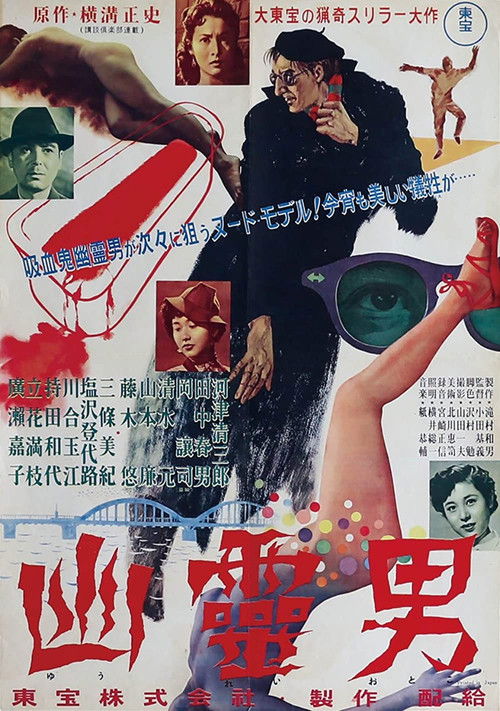
暂无中文简介。
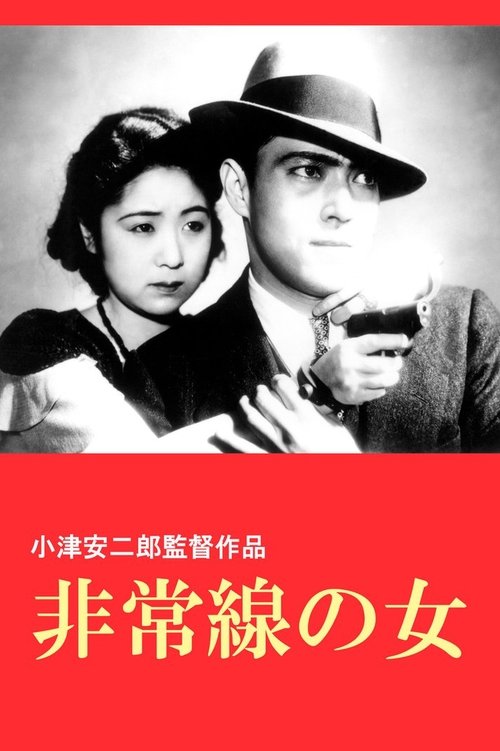
拍完《开心地走吧》事隔三年,日本人对黑帮爱情片热潮未减,小津再碰这个类型,心态和技巧已别于从前,人物感情转趋复杂与悲情,画面一景一物的安排尽见巧思。延续前作角色,讲黑帮大佬与一好一坏两女人之间的情仇,但这次黑帮与坏女人同给好女人吸引过去,黑帮最后亦没有离弃坏女人。也许为了增加剧情说服力,小津找来田中绢代做女主角,坏女孩果然恶得含蓄,有时更会楚楚可怜。可惜绢代刚演过深入民心的《伊豆舞娘》,坏女人形像不给当时观众受落。小津将黑帮片类型玩得出神入化,不少人觉得这是他默片巅峰之作。(第27届香港国际电影节)
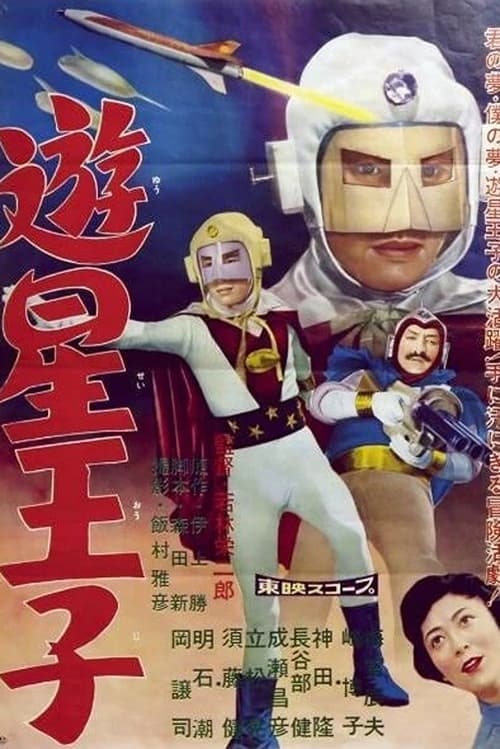
暂无中文简介。
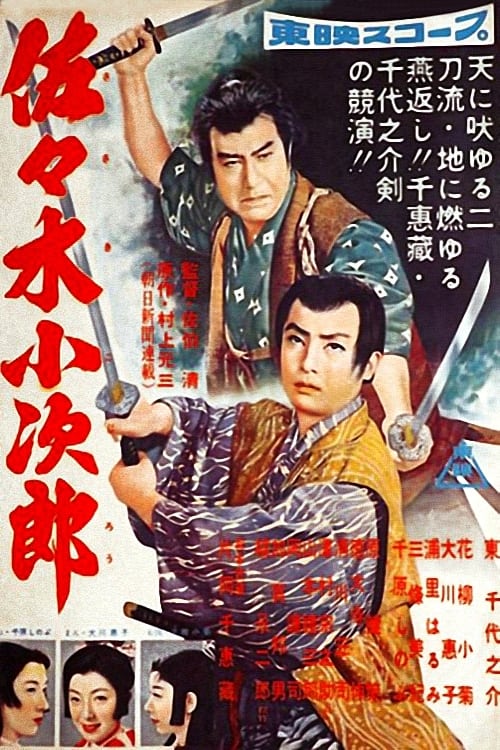
暂无中文简介。
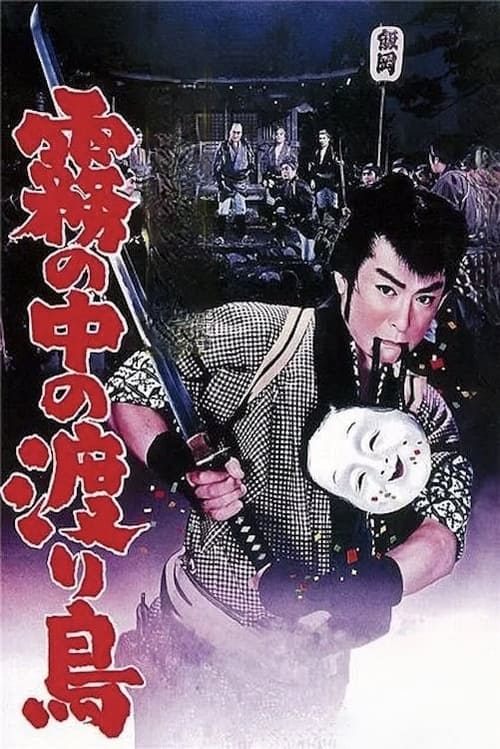
暂无中文简介。

《蜘蛛男》是“江户川乱步作品集”第七卷。故事开头,怪绅士稻桓租下了一间事务所,把它重新装修成美术艺品店。第二天开业时聘用了一名十八岁的美少女,但当天晚上就奸杀了这名少女。接下来的几天内报纸社会版头条陆续刊登了“碎尸案”、“美人鱼案”。民间犯罪学者畔柳博士接手此案,在与蓝胡子稻桓正面交锋的过程中屡屡败下阵来,直到环游归来的明智加入侦破阵营……,故事从读者预测不到的角度展开,是一部名探与杀人狂的斗智故事。

暂无中文简介。
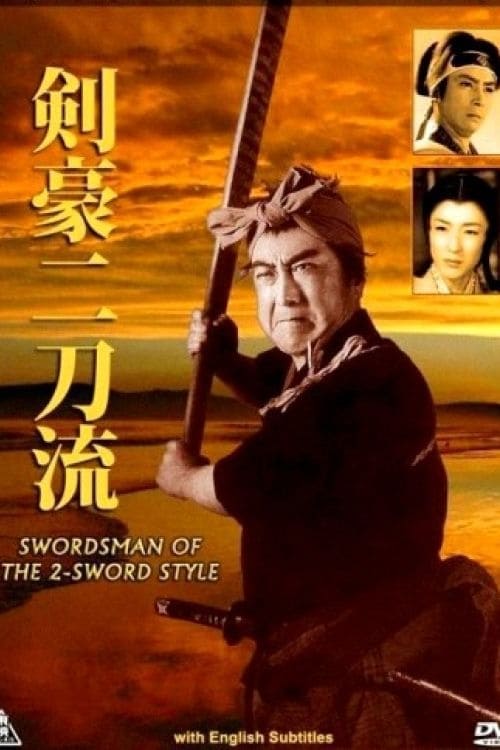
暂无中文简介。

暂无中文简介。

暂无中文简介。
暂无中文简介。
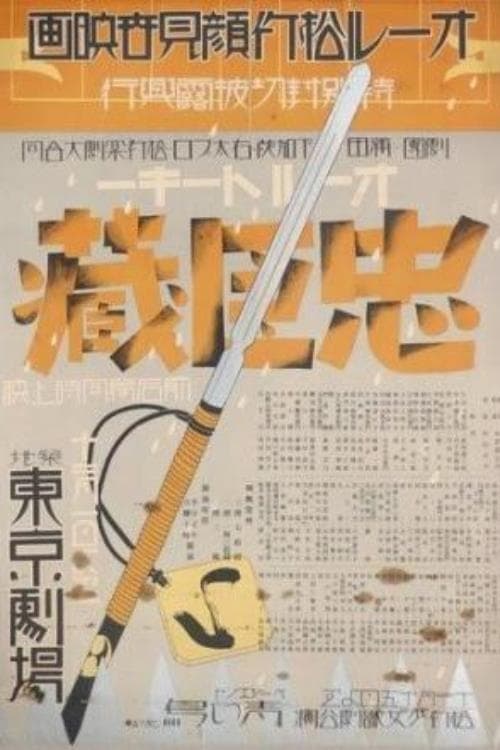
暂无中文简介。

暂无中文简介。
暂无中文简介。