


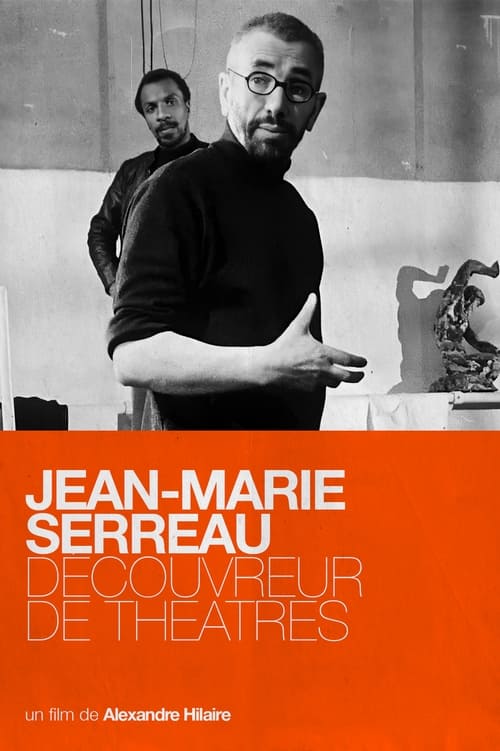
Jean-Marie Serreau, découvreur de théâtres
Jean-Marie Serreau, découvreur de théâtres暂无中文简介。
输入演员的中文名或英文名,先确认人物,再查看其参演电影(含配音,不含电视剧)。
暂无中文生平,以下显示来源原文。
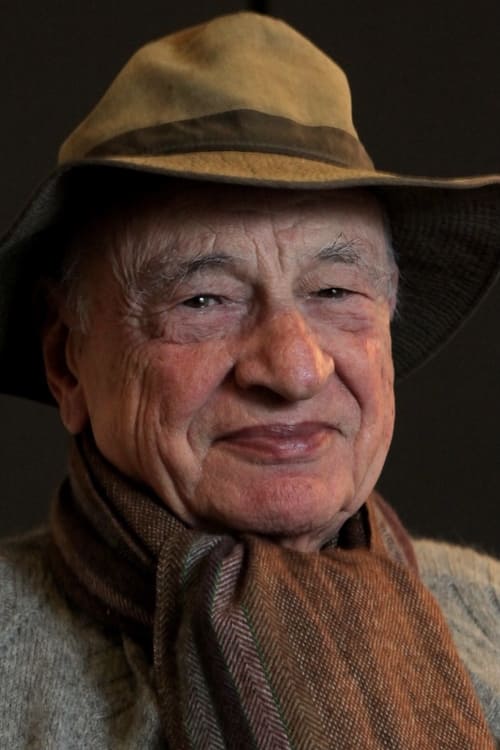
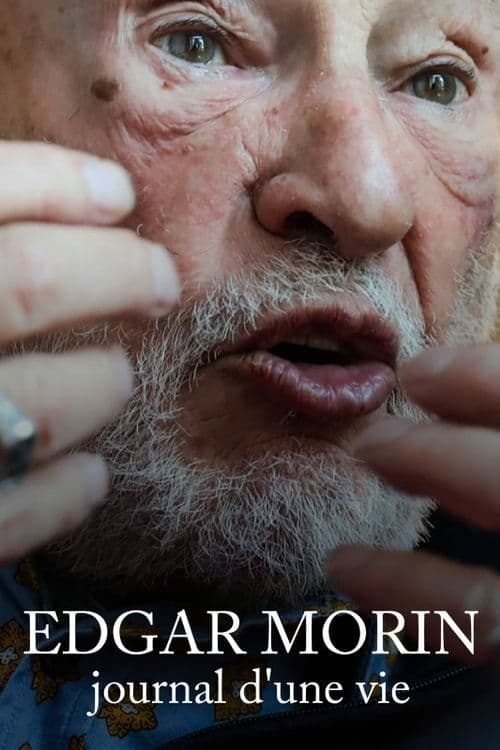
Edgar Morin (born Edgar Nahoum; 8 July 1921) is a French philosopher and sociologist of the theory of information who has been recognized for his work on complexity and "complex thought" (pensée complexe), and for his scholarly contributions to such diverse fields as media studies, politics, sociology, visual anthropology, ecology, education, and systems biology. As he explains: He holds two bachelors: one in history and geography and one in law. He never did a Ph.D. Though less well known in the anglophone world due to the limited availability of English translations of his over 60 books, Morin is renowned in the French-speaking world, Europe, and Latin America. During his academic career he was primarily associated with the École des hautes études en sciences sociales (EHESS) in Paris. At the beginning of the 20th century, Morin's family migrated from the Ottoman city of Salonica (Thessaloniki) to Marseille and later to Paris, where Edgar was born. He is of Judeo-Spanish (Sefardi) origin. When the Germans invaded France in 1940, Morin assisted refugees and joined the French Resistance. As a member of the French Resistance he adopted the pseudonym Morin, which he continues to use. He joined the French Communist Party in 1941. In 1945, Morin married Violette Chapellaubeau and they lived in Landau, where he served as a lieutenant in the French Occupation army in Germany. In 1946, he returned to Paris and gave up his military career to pursue his activities with the Communist Party. Due to his critical posture, his relationship with the party gradually deteriorated until he was expelled in 1951 after he published an article in L'Observateur politique, économique et littéraire. In the same year, he was admitted to the National Center of Scientific Research (CNRS). Morin founded and directed the magazine Arguments (1954–1962). In 1959 his book Autocritique was published. The book was a sustained reflection on his adherence to, and subsequent exit from, the Communist Party, focusing on the dangers of ideology and self-deception. In 1960, Morin travelled extensively in Latin America, visiting Brazil, Chile, Bolivia, Peru and Mexico. He returned to France, where he published L'Esprit du Temps, a work on popular culture. That same year, French sociologist Georges Friedmann brought him and Roland Barthes together to create a Centre for the Study of Mass Communication that, after several name changes, became the Edgar Morin Centre of the EHESS, Paris. Also in 1960 Morin and Jean Rouch coauthored the film Chronique d'un été, an early example of cinéma vérité and direct cinema. Beginning in 1965, Morin became involved in a large multidisciplinary project, financed by the Délégation Générale à la Recherche Scientifique et Technologique in Plozévet.
人物资料来源:TMDB从参演电影片单按 TMDB 评分人数选取。
暂无中文简介。

暂无中文简介。
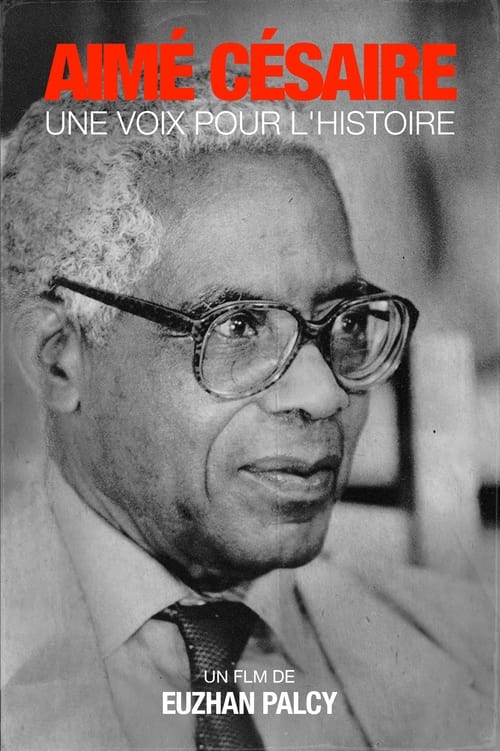
暂无中文简介。
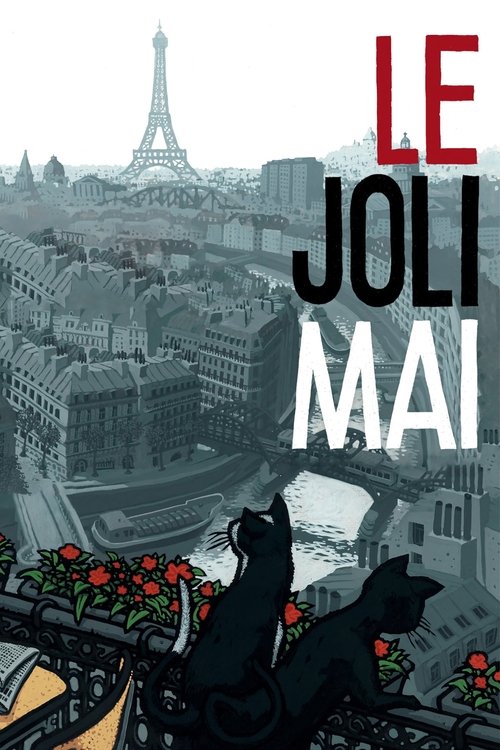
影片以1962年5月的巴黎风貌为题材,背景却是法国结束了与阿尔及利亚的战争使国家真正实现和平。影片分为两个部分,第一部分是通过对各色人物的采访来反映当时法国社会的众生相,第二部分则是针对刚结束的战争,请来不同的人物谈论和调查阿尔及利亚事件的真相,采用了公开行动与私人谈话的交替方式。
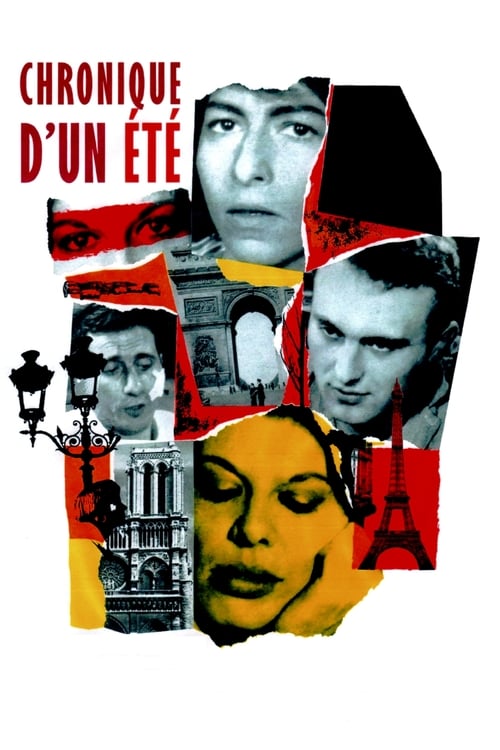
1960 年夏,巴黎。两位电影制作人在拥挤的街道上漫步,询问路人如何应对生活中的不幸。
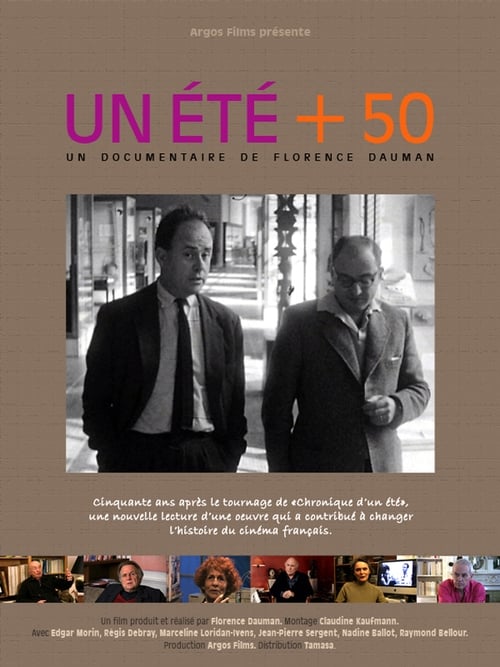
暂无中文简介。
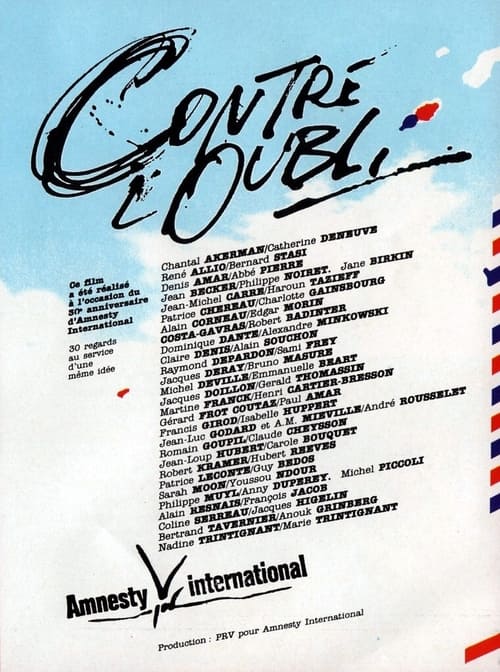
30位法国电影人的作品集,其中包括阿伦·雷乃和让-吕克·戈达尔,他们用电影为一名政治犯请愿。让-吕克·戈达尔和安妮·玛丽·米维尔的影片讲述了西巴布亚活动家托马斯·旺盖的困境,他后来在狱中去世。这些短片是由国际特赦组织委托制作的。
暂无中文简介。
暂无中文简介。
暂无中文简介。

暂无中文简介。
暂无中文简介。
暂无中文简介。
暂无中文简介。
暂无中文简介。