
Refugeedom: Lonely But Not Alone
Refugeedom: Lonely But Not Alone暂无中文简介。
输入演员的中文名或英文名,先确认人物,再查看其参演电影(含配音,不含电视剧)。
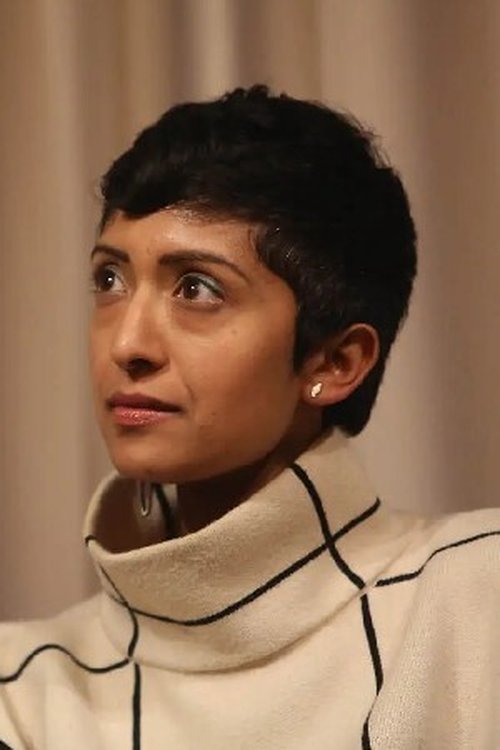
暂无中文生平,以下显示来源原文。
Michelle Williams Gamaker is a moving image and performance artist. Her work explores the fiction-making machine of 20C British and Hollywood studio films by restaging sequences to reveal cinematic construction, and recasting characters to propose alternative endings that counter their often doom-laden plight. Williams Gamaker’s key focus is the development of ‘fictional activism’: the restoration of marginalised brown characters as central figures, who return in her works as vocal brown protagonists challenging the fictional injustices to which they have been historically consigned. Scriptwriting, workshopping with actors, acquiring film paraphernalia and producing props for the intricate staging of her film sets are all vital elements in the re-enactment of the artificial landscapes that shaped Williams Gamaker’s love of cinema. She recently completed Dissolution, a trilogy of films comprising House of Women (2017),The Fruit is There to be Eaten (2018), and The Eternal Return (2019) in which characters from Powell and Pressburger’s 1947 Black Narcissus unravel as they become aware of their screen and staged realities. Fictional activists are mutable subjects that can be played either by Williams Gamaker herself – such as her alter ego Violet Culbo – or by long-term collaborators who take on multiple personas including that of the Indian-born US film star Sabu – or characters such as Kanchi from Black Narcissus(1947), and O-Lan from The Good Earth(1937). Collaboration is also a crucial element of Williams Gamaker’s work; since 2009 she has worked with American artist Julia Kouneski, revisiting the work of Brazilian artist Lygia Clark’s psychotherapeutic research as inspiration for interventions with the body, architecture and landscape.
人物资料来源:TMDB电影背景图,不保证每张都有人物本人出镜。
暂无可用剧照。
暂无中文简介。