


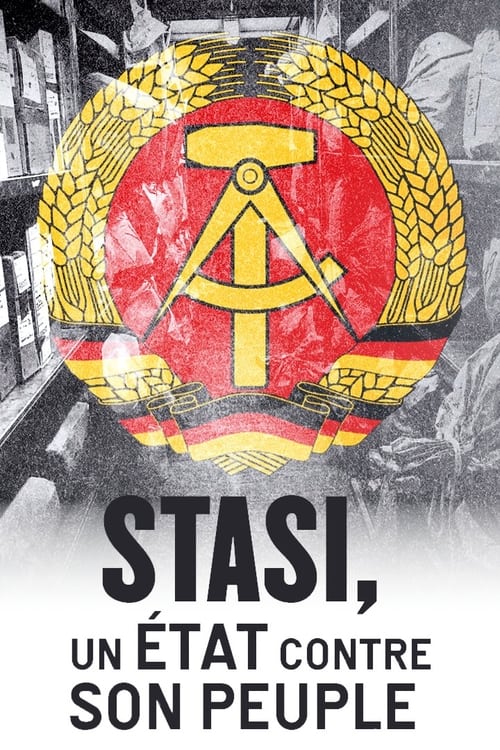
Stasi, un État contre son peuple
Stasi, un État contre son peuple暂无中文简介。
输入演员的中文名或英文名,先确认人物,再查看其参演电影(含配音,不含电视剧)。
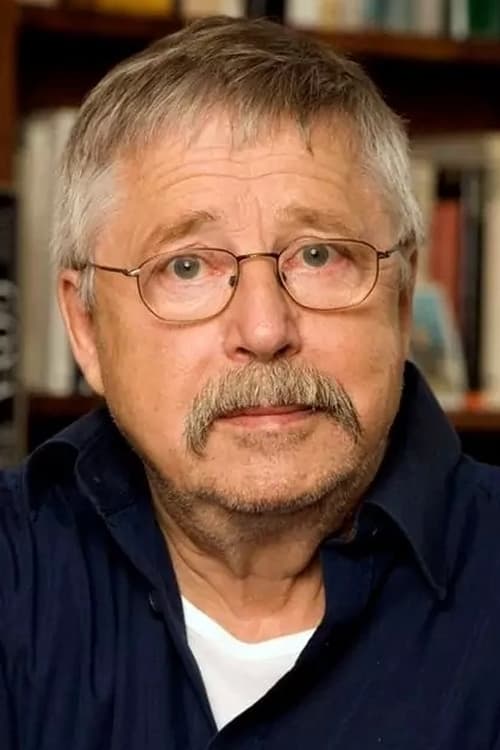
暂无中文生平,以下显示来源原文。
Karl Wolf Biermann (born 15 November 1936) is a German singer-songwriter, poet, and former East German dissident. He is perhaps best known for the 1968 song "Ermutigung" and his expatriation from East Germany in 1976. Biermann was born in Hamburg, Germany. His mother, Emma (née Dietrich), was a Communist Party activist, and his father, Dagobert Biermann, worked on the Hamburg docks. Biermann's father, a Jewish member of the German Resistance, was sentenced to six years in prison for sabotaging Nazi ships. In 1942, the Nazis decided to eliminate their Jewish political prisoners and Biermann's father was deported to Auschwitz concentration camp, where he was murdered on 22 February 1943. Biermann was one of the few children of workers who attended the Heinrich-Hertz-Gymnasium (high school) in Hamburg. After the Second World War, he became a member of the Free German Youth (Freie Deutsche Jugend, FDJ) and in 1950, he represented the Federal Republic of Germany at the FDJ's first national meeting. Upon finishing school at the age of 17, Biermann emigrated from West to East Germany where he believed he could live out his Communist ideals. He lived at a boarding school near Schwerin until 1955, and then began studying political economics at the Humboldt University of Berlin. From 1957 to 1959, he was an assistant director at the Berliner Ensemble. At university he changed courses to study philosophy and mathematics under Wolfgang Heise until 1963, when he completed his thesis. Despite his successful defense of his thesis, he did not receive his diploma until 2008 when he was also awarded an honorary doctorate degree. In 1960, Biermann met composer Hanns Eisler, who adopted the young artist as a protégé. Biermann began writing poetry and songs. Eisler used his influence with the East German cultural elite to promote the songwriter's career, but his death in 1962 deprived Biermann of his mentor and protector. In 1961, Biermann formed the Berliner Arbeiter-Theater ("Berlin Workers' Theater"), which was closed in 1963 before the production of Biermann's show Berliner Brautgang, which documented the building of the Berlin wall. The play was officially banned and Biermann was forbidden to perform for six months. Although a committed communist, Biermann's nonconformist views soon alarmed the East German establishment. In 1963, he was refused membership in the ruling Socialist Unity Party of Germany (SED), although no reason was given at the time for his rejection. After the Wende, documents available from Biermann's file at the Stasi Records Agency revealed that the reviewers were under the impression that he was a regular user of stimulants, leading to the rejection of his application. ... Source: Article "Wolf Biermann" from Wikipedia in English, licensed under CC-BY-SA 3.0.
人物资料来源:TMDB从参演电影片单按 TMDB 评分人数选取。
暂无中文简介。

本片是文德斯为德国著名摇滚乐队 BAP 拍摄的纪录片短片,记录乐队在舞台、排练、旅途与后台的真实状态。影片以手持摄影、近距离跟拍的方式,捕捉乐队演出、旅途奔波、排练交流和日常生活碎片,聚焦音乐创作、巡演生活与乐队成员之间的关系。 风格朴素、纪实、贴近人物,是文德斯音乐题材创作中非常典型的一部,延续他对音乐、旅途、真实人物状态的长期关注。

1977年,一个商人被绑架后又被谋杀,杀他的是左翼的称为RAF的恐怖分子Armee Fraktion(红色帮派),他们绑架商人是为了试图以交换他们被抓的领导人。当诱拐的努力和一次劫持飞机相继努力失败后,RAF的3位非常杰出的领导人,安德烈亚斯巴德,古德兰·恩斯林和吉恩·卡尔泪谱,全部在监狱自杀。这3人实际上是被政府授命谋杀的。

柏林墙倒塌数月后,正值1990年德国联邦大选期间,克里斯·马克以惊人的敏锐度拍摄了这部充满激情的纪录片,精准捕捉了当时地域的实况与时代精神。
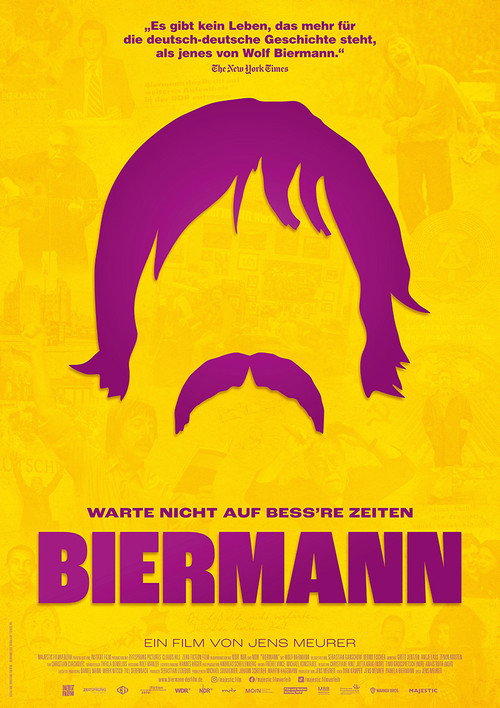
暂无中文简介。