

Наше кино
Наше кино暂无中文简介。
输入演员的中文名或英文名,先确认人物,再查看其参演电影(含配音,不含电视剧)。
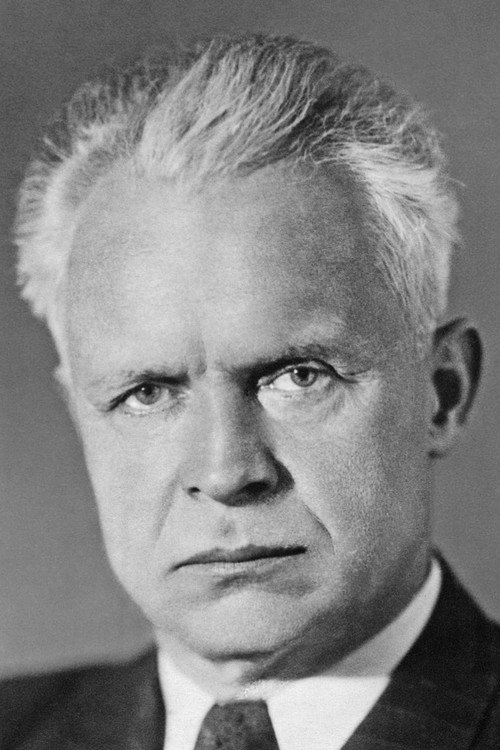
暂无中文生平,以下显示来源原文。
Alexander Petrovich Dovzhenko, also Oleksandr Petrovych Dovzhenko (Russian: Александр Петрович Довженко, Ukrainian: Олександр Петрович Довженко; September 10 [O.S. August 29] 1894 – November 25, 1956), was a Soviet film director and screenwriter of Ukrainian origin. He is often cited as one of the most important early Soviet filmmakers, alongside Sergei Eisenstein, Dziga Vertov, and Vsevolod Pudovkin, as well as being a pioneer of Soviet montage theory. Although Alexander Dovzhenko's parents were uneducated, his semi-literate grandfather encouraged him to study, leading him to become a teacher at the age of 19. Dovzhenko turned to film in 1926 when he landed in Odesa. His ambitious drive led to the production of his second-ever screenplay, Vasya the Reformer (which he also co-directed). He gained greater success with Zvenyhora in 1928 which established him as a major filmmaker of his era. His following "Ukraine Trilogy" (Zvenyhora, Arsenal, and Earth), although underappreciated by some contemporary Soviet critics (who found some of its realism counter-revolutionary), is his most well-known work in the West. For his film Shchors, Dovzhenko was awarded the Stalin Prize (1941); eight years later, in 1949, he was awarded another Stalin Prize for his film Michurin. After spending several years writing, co-writing and producing films at Mosfilm Studios in Moscow, he turned to writing novels. Over a 20-year career, Dovzhenko personally directed only 7 films. He was a mentor to the young Ukrainian Soviet filmmakers Larysa Shepitko and Sergei Parajanov. Dovzhenko died of a heart attack on November 25, 1956 in his dacha in Peredelkino. His wife, Yulia Solntseva, continued his legacy by producing films of her own and completing projects Dovzhenko was not able to create. The Dovzhenko Film Studios in Kyiv were named after him in his honour following his death.
人物资料来源:TMDB从参演电影片单按 TMDB 评分人数选取。
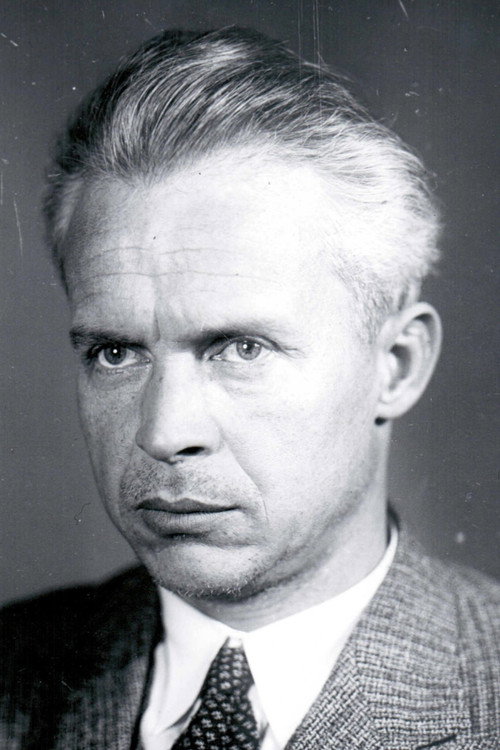
暂无中文简介。
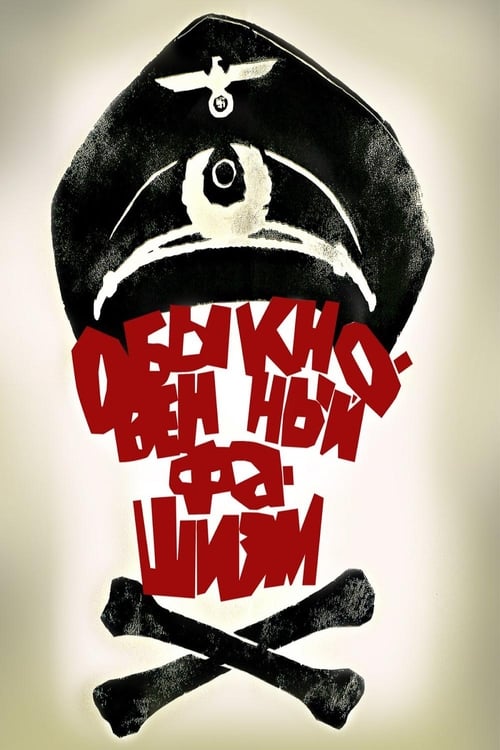
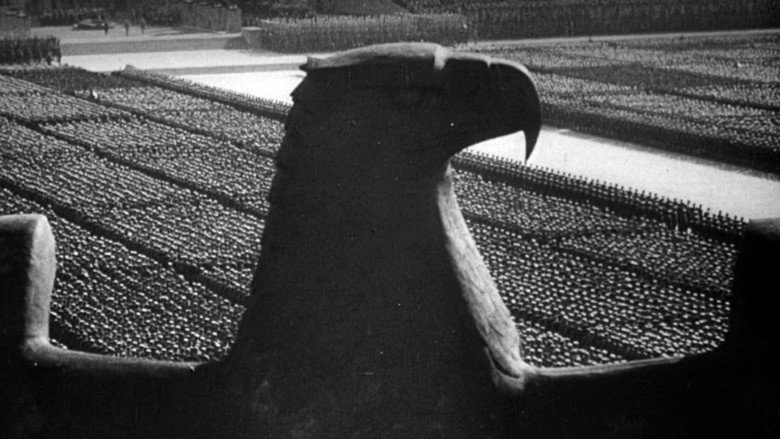
米哈依尔·罗姆通过16章节的纪录片《普通的法西斯》,探讨了深刻的主题:“我们该如何揭示历史的秘密?德国法西斯主义如何渗透到千百万德国人心中,腐蚀其灵魂、疯狂其理智的?”另一位导演康拉德·沃尔夫对此片赞赏不已。影片各个章节的副标题也都意味深长,例如“我的奋斗”、“被宰杀的羔羊”、“残忍的梦想与行动”、“元首指挥我们前进”和“纳粹的艺术”等等。为了说明每个标题的含义,影片运用了大量史料镜头,是苏联红军从帝国电影资料库中缴获的资料或是从德军战犯手中没收的个人收藏。通过运用蒙太奇的剪切组合,罗姆将历史场景和现代画面巧妙结合起来,并加入儿童的元素,使得影片非常引人入胜。人们今天观赏这部影片的感觉与它1965年首映时别无二致。
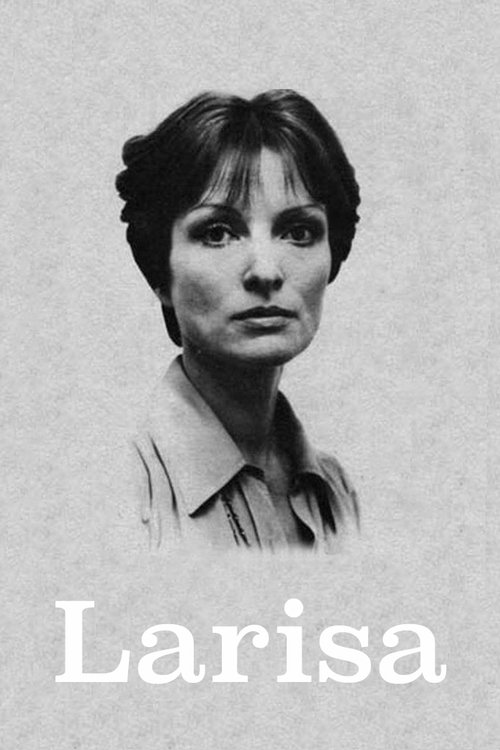
受妻子 Larisa Shepitko 遇车祸不幸去世的著名苏联导演 Elem Klimov,以这部时长约 20 分钟的纪录片,构筑了一篇深情缅怀。影片通过珍贵的档案影像、照片、旁述和 Larisa 自述,回顾她作为女性导演的事业、艺术追求与精神力量。Klimov 选取多个代表片段,拼贴出 Larisa 对创作的热忱、她对电影的独立思考、对合作伙伴的温暖关怀,以及她对女性视角的重要性表达。影片既是一首爱的挽歌,也是一段直指灵魂的艺术致敬。
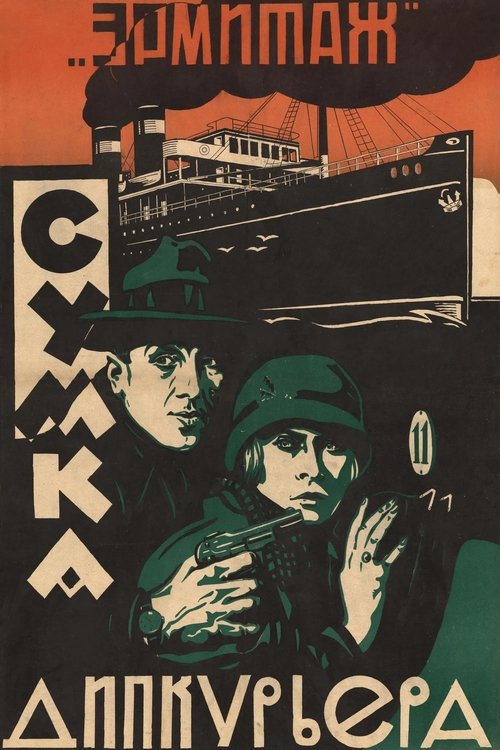
暂无中文简介。
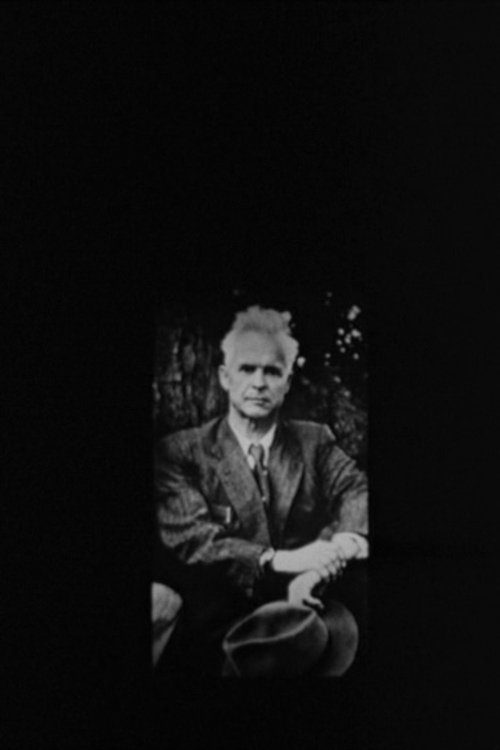
暂无中文简介。

暂无中文简介。
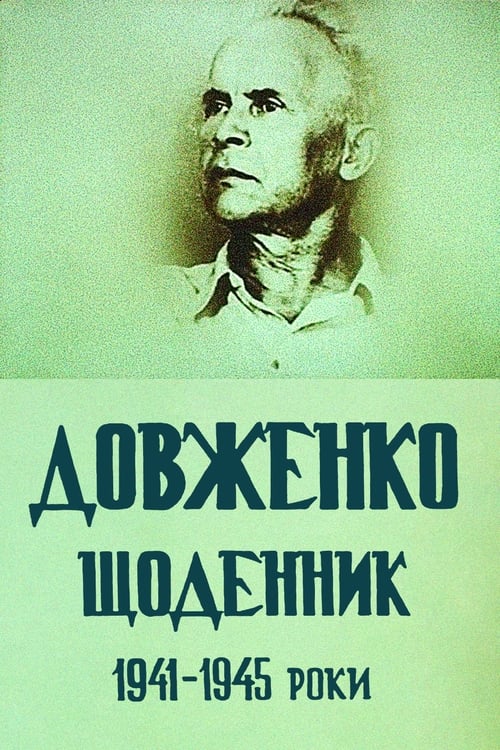
暂无中文简介。
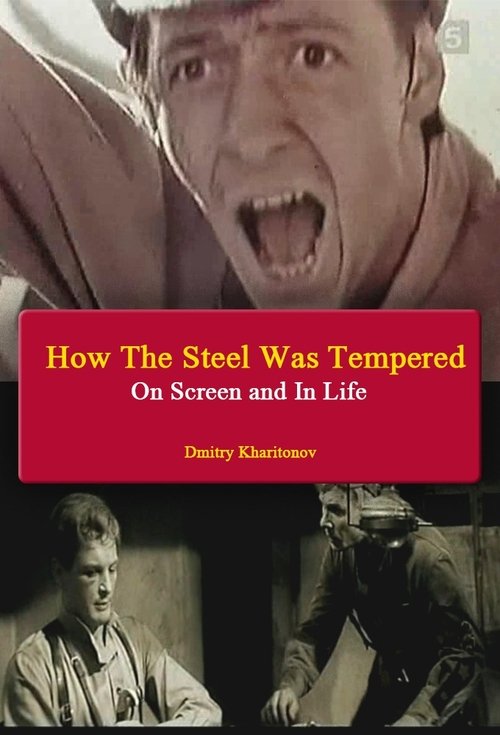
暂无中文简介。
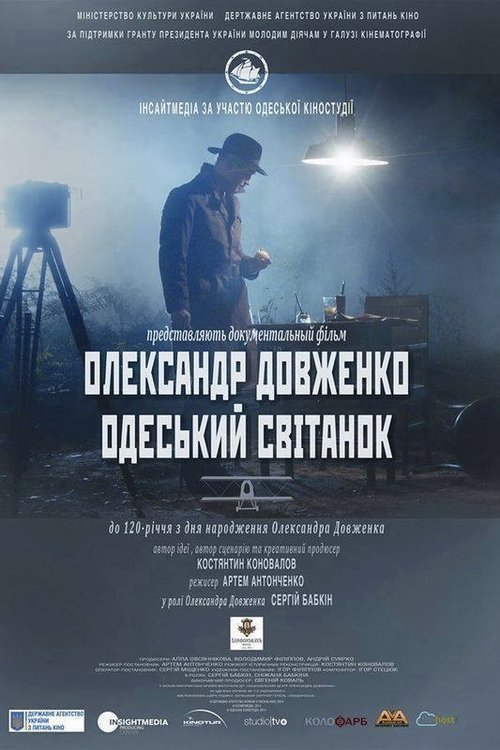
暂无中文简介。
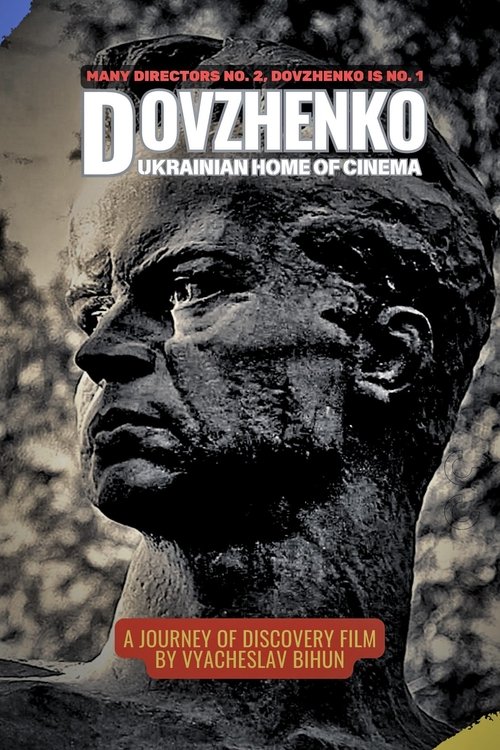
暂无中文简介。
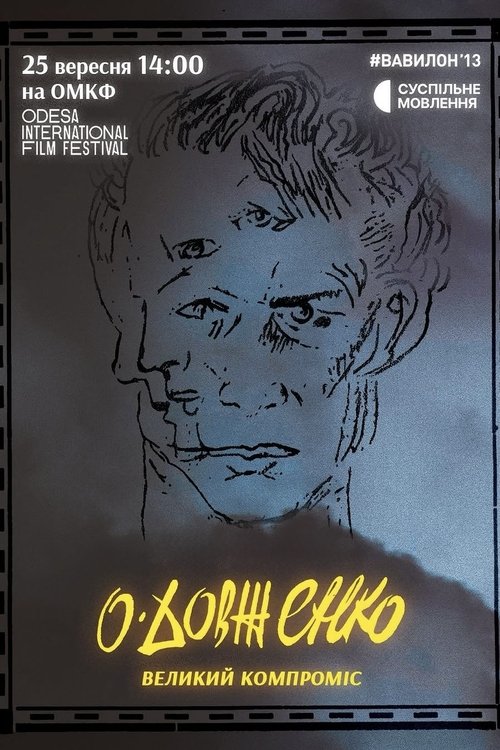
暂无中文简介。
暂无中文简介。