

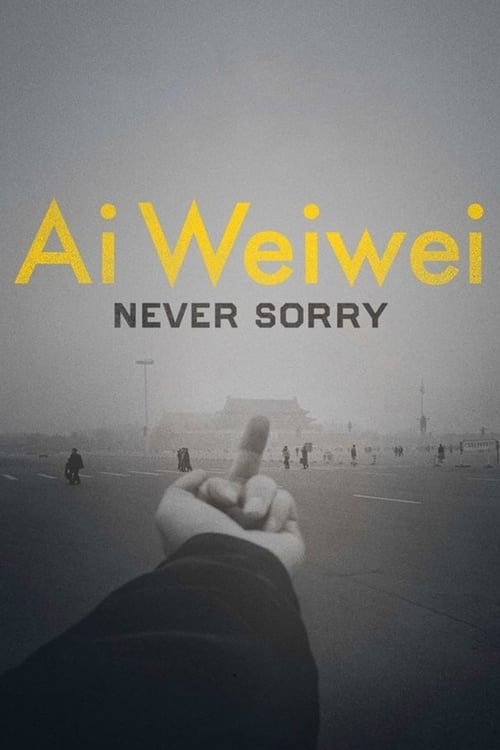
艾未未:道歉你妹
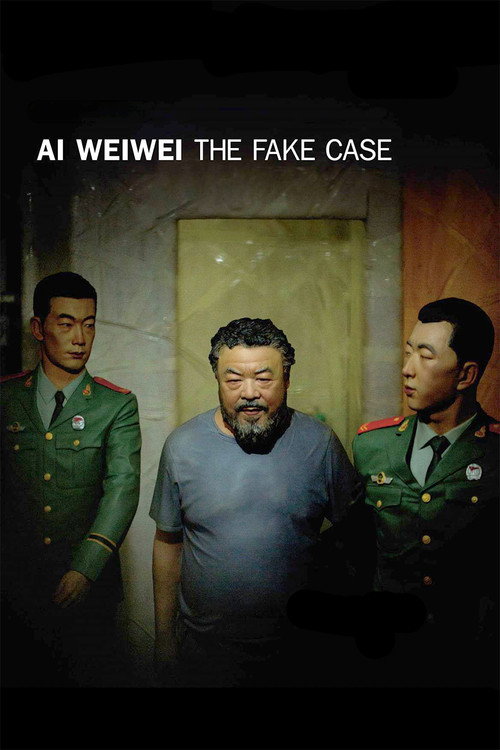
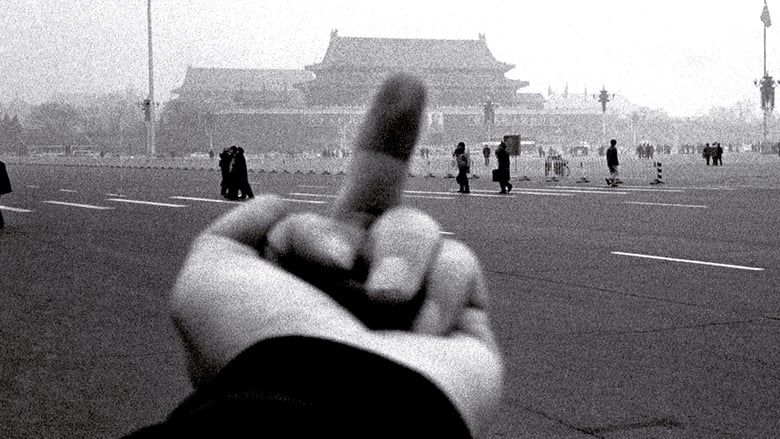
Ai Weiwei: Never Sorry这是一部纪录片,一位年轻的美国女导演拍的,说艾未未的艺术,说他的人生,说他和政府的对立等等。原来一切都是从2008年汶川大地震开始,他为了伸张正义,收集遇难的学生名单,却没有想到这一切带来了多少的麻烦,而他的弘扬自由和民主开始成为他生活的主题,直到突然有一天消失。
输入演员的中文名或英文名,先确认人物,再查看其参演电影(含配音,不含电视剧)。
暂无中文生平,以下显示来源原文。
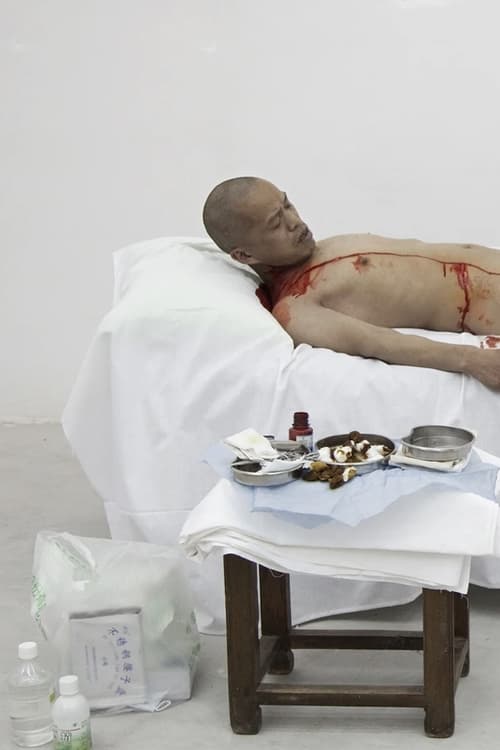
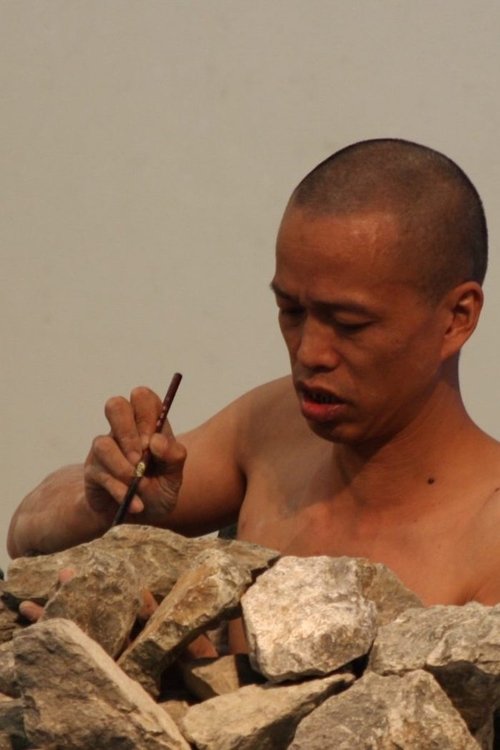
The most committed and challenging performance artist of China, He Yunchang (b. 1967) has performed and exhibited worldwide. In his intimate and cathartic performances, psychological and physical stamina gains existential significance. In Dialog with Water (1999), he attempted over 90 minutes to cut a river into two halves with a knife while hanging upside-down from a crane; in Wrestling: One and One Hundred (2001), he wrestled consecutively with a hundred people over 66 minutes; in Casting (2004), he sealed himself inside a concrete block for 24 hours. Elsewhere, he undertakes journeys of self-discovery and returns psychologically transformed. In The Rock Tours Around Great Britain (September 24, 2006 - January 14, 2007), he carried a rock from Boulmer, on the northeastern coast of England, and returned it there after walking 3,500 kilometers counterclockwise along the perimeter of Britain. In Dream of Traveling—From Fukuoka Asian Art Museum to Mount Fuji (2009), he gradually emerged from a pile of 999 rocks while painting on each of them the imaginary routes of a spiritual ascension. Some of He's performances have involved immense pain and interventions into his own body, including staring at close distance at 256 light bulbs for an hour, the surgical removal of one of his ribs, and most famously One Meter of Democracy (2010). In the latter work, 25 participants collectively voted to carry out the artist's proposal of having his own body cut with 1-meter-long opening without anesthetics and stayed to witness its fulfillment. While shocking at first glance, these works, like He's oeuvre as a whole, always reveal a deep engagement with both contemporary art discourse and classical Chinese philosophy, as well as a delicate sensitivity towards the salient questions of our time. By treating his own body as both medium and object, he turns abstract philosophical concepts and the amorphous transformations of our times into experiences that are concretely comprehensible and lived. Indeed, He Yunchang refers to his practice in Chinese as xianchang yishu or "live art" in distinction to the sense of "performance" as acting.
人物资料来源:TMDB