


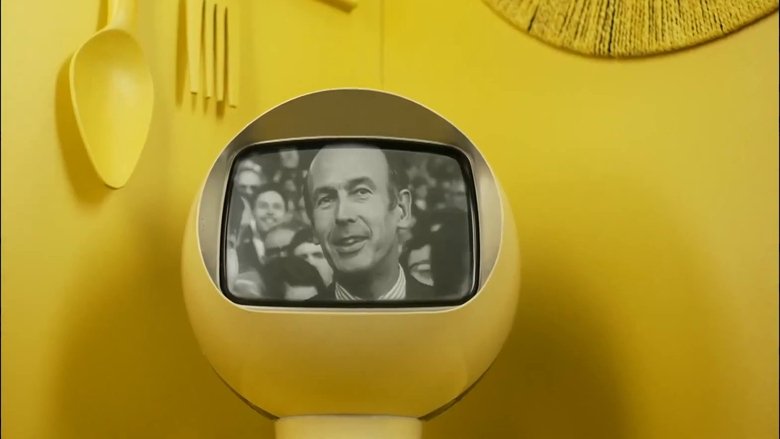

« L'archipel du Goulag » : la révélation
« L'archipel du Goulag » : la révélation暂无中文简介。
输入演员的中文名或英文名,先确认人物,再查看其参演电影(含配音,不含电视剧)。

暂无中文生平,以下显示来源原文。
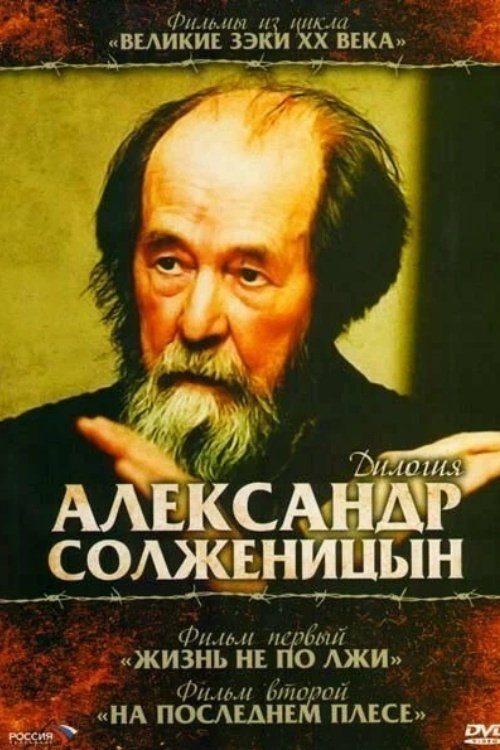
Aleksandr Isayevich Solzhenitsyn (11 December 1918 – 3 August 2008) was a Russian writer. A prominent Soviet dissident, Solzhenitsyn was an outspoken critic of communism and helped to raise global awareness of political repression in the Soviet Union, in particular the Gulag system. Solzhenitsyn was born into a family that defied the Soviet anti-religious campaign in the 1920s and remained devout members of the Russian Orthodox Church. However, Solzhenitsyn lost his faith in Christianity, became an atheist, and embraced Marxism–Leninism. While serving as a captain in the Red Army during World War II, Solzhenitsyn was arrested by SMERSH and sentenced to eight years in the Gulag and then internal exile for criticizing Soviet leader Joseph Stalin in a private letter. As a result of his experience in prison and the camps, he gradually became a philosophically minded Eastern Orthodox Christian. As a result of the Khrushchev Thaw, Solzhenitsyn was released and exonerated. He pursued writing novels about repression in the Soviet Union and his experiences. He published his first novel, One Day in the Life of Ivan Denisovich in 1962, with approval from Soviet leader Nikita Khrushchev, which was an account of Stalinist repressions. Solzhenitsyn's last work to be published in the Soviet Union was Matryona's Place in 1963. Following the removal of Khrushchev from power, the Soviet authorities attempted to discourage Solzhenitsyn from continuing to write. He continued to work on further novels and their publication in other countries including Cancer Ward in 1966, In the First Circle in 1968, August 1914 in 1971, and The Gulag Archipelago in 1973, the publication of which outraged the Soviet authorities. In 1974 Solzhenitsyn lost his Soviet citizenship and was flown to West Germany. In 1976, he moved with his family to the United States, where he continued to write. In 1990, shortly before the dissolution of the Soviet Union, his citizenship was restored, and four years later he returned to Russia, where he remained until his death in 2008. He was awarded the 1970 Nobel Prize in Literature "for the ethical force with which he has pursued the indispensable traditions of Russian literature", and The Gulag Archipelago was a highly influential work that "amounted to a head-on challenge to the Soviet state", and sold tens of millions of copies. Solzhenitsyn was born in Kislovodsk (now in Stavropol Krai, Russia). His father, Isaakiy Semyonovich Solzhenitsyn, was of Russian descent and his mother, Taisiya Zakharovna (née Shcherbak), was of Ukrainian descent. Taisiya's father had risen from humble beginnings to become a wealthy landowner, acquiring a large estate in the Kuban region in the northern foothills of the Caucasus and during World War I, Taisiya had gone to Moscow to study. While there she met and married Isaakiy, a young officer in the Imperial Russian Army of Cossack origin and fellow native of the Caucasus region. The family background of his parents is vividly brought to life in the opening chapters of August 1914, and in the later Red Wheel novels. ... Source: Article "Aleksandr Solzhenitsyn" from Wikipedia in English, licensed under CC-BY-SA 3.0.
人物资料来源:TMDB从参演电影片单按 TMDB 评分人数选取。
暂无中文简介。

这幅两部分组成的,唤起回忆的SOLZHENITSYN的肖像,是导演ALEXANDER SOKUROV通过两段充足的,和SOLZHENITSYN与他的夫人的谈话。来解悟这位盛誉国际的作家的生命历程。 这并不是一部简单的传记电影,相反的,电影着力汇聚于SOLZHENITSYN对苏维埃的探讨:它的文学,传统,历史和它的语言。通过作家个人一种对俄国的宏观的综述,俄罗斯这片大地传奇的肖像裸呈在我们面前。
暂无中文简介。
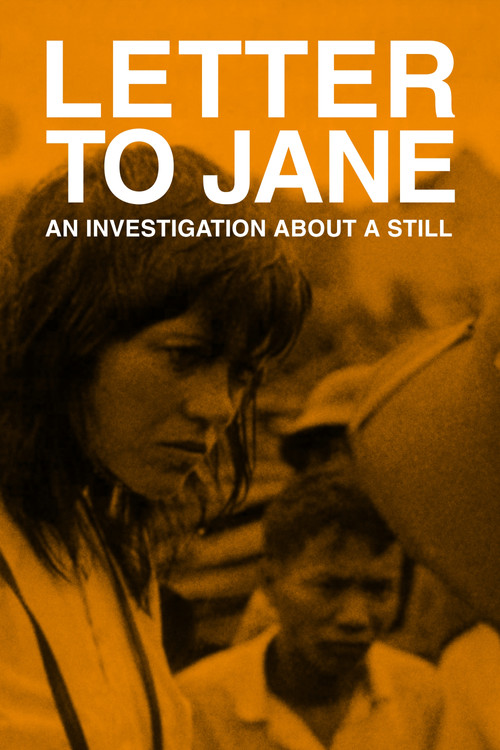
这部影片的主题是一张简·方达在越南战争期间访问河内的照片。它探讨了知识分子在阶级斗争中应持何种立场,并指出简·方达参与摆拍这张照片所蕴含的讽刺意味。

暂无中文简介。
暂无中文简介。

暂无中文简介。

暂无中文简介。