


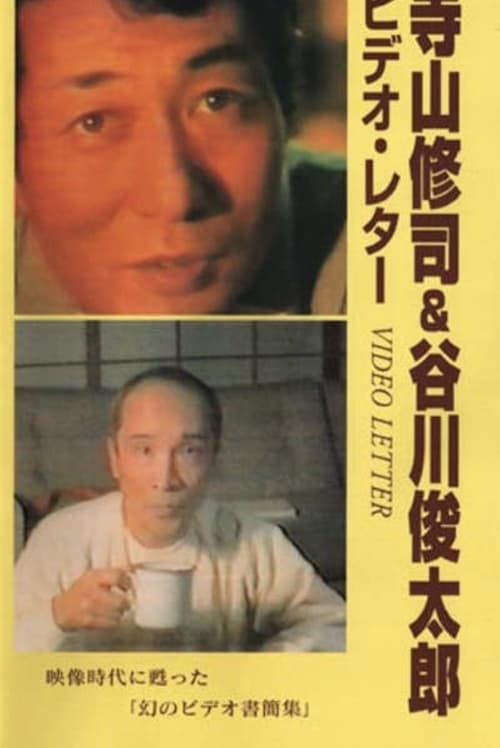
录像信
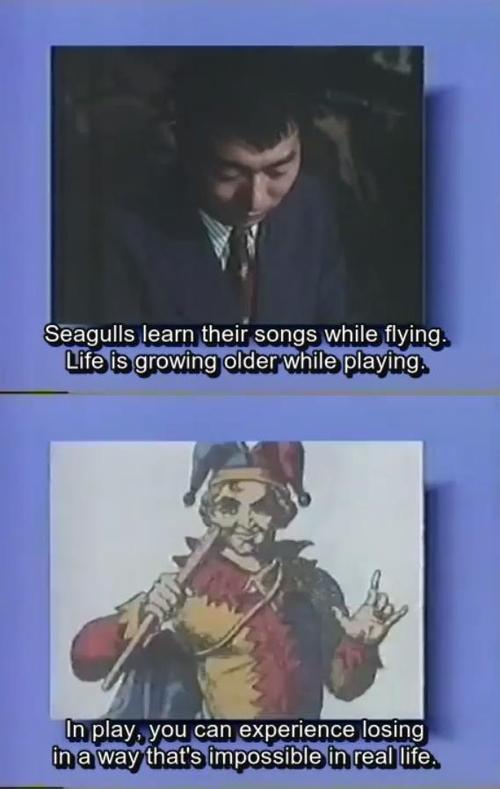
ビデオ・レター这种显着的编译如下的视频信件,这在寺山立即去世前几个月花了寺山修司和谷川俊太郎之间进行交换。你可以把它看作是由两个杰出的诗人和生产用高度抽象的哲思,轻微的异常行为,偶尔华丽的视觉效果interlayed家庭视频。
输入演员的中文名或英文名,先确认人物,再查看其参演电影(含配音,不含电视剧)。
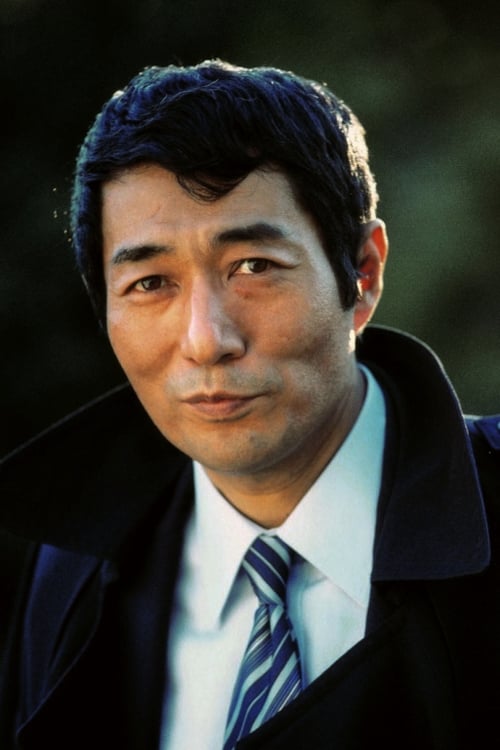
暂无中文生平,以下显示来源原文。
From Wikipedia, the free encyclopedia. Shūji Terayama (December 10, 1935 – May 4, 1983) was an avant-garde Japanese poet, dramatist, writer, film director, and photographer. According to many critics and supporters, he was one of the most productive and provocative creative artists to come out of Japan. He was born December 10, 1935, the only son of Hachiro and Hatsu Terayama in Hirosaki city in the northern Japanese prefecture of Aomori. His father died at the end of Pacific War in Indonesia in September 1945. At the age of nine, his mother moved to Kyūshū to work at an American military base while he himself went to live with relatives in the city of Misawa, also in Aomori. At this same time, Terayama lived through the Aomori air raids that killed more than 30,000 people. Terayama entered Aomori Prefectural Aomori High School in 1951, and in 1954 went to prestigious Waseda University's Faculty of Education to study Japanese language and literature. However, he soon dropped out because he fell ill with nephrotic syndrome. He received his education through working in bars in Shinjuku. His oeuvre includes a number of essays claiming that more can be learned about life through boxing and horse racing than by attending school and studying hard. Accordingly, he was one of the central figures of the "runaway" movement in Japan in the late 1960s, as depicted in his book, play, and film "Throw Away Your Books, Run into the Streets! In 1967, Terayama formed the Tenjō Sajiki theater troupe, whose name comes from the Japanese translation of the 1945 Marcel Carné film "Les Enfants du Paradis", so can be translated as "children of heaven", however its correct translation is "Ceiling Gallery" and has a meaning similar to the English expression "Peanut Gallery". The troupe was dedicated to the avant-garde and staged a number of controversial plays tackling social issues from an iconoclastic perspective. Some major plays include "Bluebeard", "Yes", and "The Crime of Fatso Oyama", among others. Also involved with the theater were artists Aquirax Uno and Tadanori Yokoo, who designed many of the advertisement posters for the group. Musically, he worked closely with experimental composer J.A. Seazer and folk musician Kan Mikami. He was also involved in poetry and at 18 was the second winner of the Tanka Studies Award. Terayama experimented with ‘city plays’, a fantastical satire of civic life. Also in 1967, Terayama started an experimental cinema and gallery called 'Universal Gravitation,' which is in fact still in existence at Misawa as a resource center. The Terayama Shūji Memorial Hall, which has a large collection of his plays, novels, poetry, photography and a great number of his personal effects and relics from his theatre productions, can also be found in Misawa. In 1976, he was a member of the jury at the 26th Berlin International Film Festival. Terayama published almost 200 literary works, and over 20 short and full-length films. He was married to Tenjō Sajiki co-founder Kyōko Kujō, but they later divorced, although they continued to work together until Terayama's death on May 4, 1983 from cirrhosis of the liver. Description above from the Wikipedia article Shūji Terayama, licensed under CC-BY-SA, full list of contributors on Wikipedia
人物资料来源:TMDB从参演电影片单按 TMDB 评分人数选取。


这种显着的编译如下的视频信件,这在寺山立即去世前几个月花了寺山修司和谷川俊太郎之间进行交换。你可以把它看作是由两个杰出的诗人和生产用高度抽象的哲思,轻微的异常行为,偶尔华丽的视觉效果interlayed家庭视频。
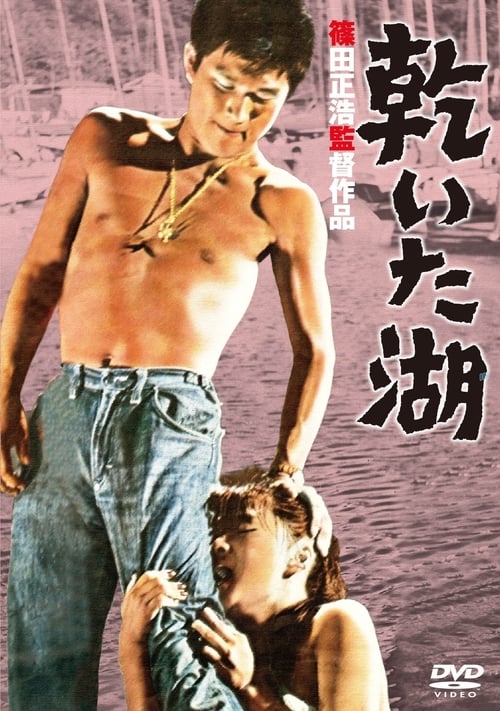
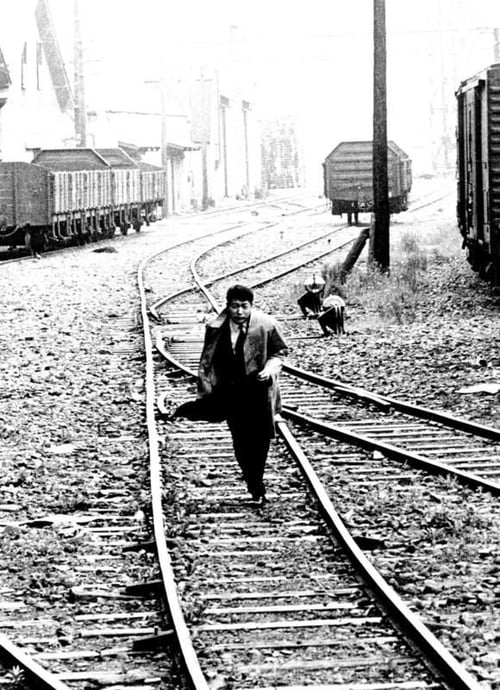
海边的木原道彦别墅聚集了一群年轻人,其中一位名叫下条卓也的年轻人对任何事情都漠不关心,不愿意加入伙伴们的嬉闹。此外,桂叶子因为突然的通知而回家了。事实上,她的父亲因为贪污被曝光,受到议员大瀬戸的压力而自杀了...在60年代安保的氛围中描绘了年轻人们的形象。当时几乎无名的寺山修司将榛叶栄治的原作改编成剧本,由篠田正浩执导,这是他的第二部作品。
暂无中文简介。

暂无中文简介。
暂无中文简介。
暂无中文简介。
暂无中文简介。
暂无中文简介。