

The Fable of Napoleon and the Bumps
The Fable of Napoleon and the Bumps暂无中文简介。
输入演员的中文名或英文名,先确认人物,再查看其参演电影(含配音,不含电视剧)。
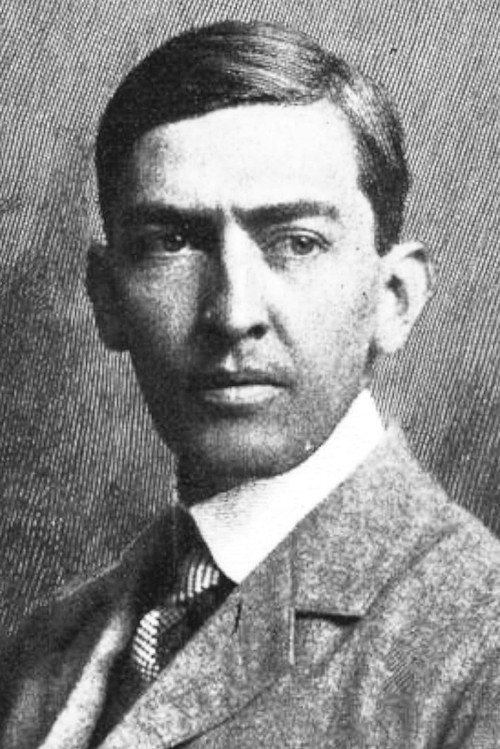
暂无中文生平,以下显示来源原文。
American writer, newspaper columnist, and playwright George Ade was first and foremost a self described Hoosier. Ade was born in Kentland, Indiana, one of seven children raised by John and Adaline Ade. While attending Purdue University, he met and started a lifelong friendship with cartoonist and Sigma Chi brother John T. McCutcheon and worked as a reporter for the Lafayette Call. In 1890, Ade was hired on by the Chicago Morning News (later known as the Chicago Record), where McCutcheon was working. He wrote the column, Stories of the Streets and of the Town. In the column, which McCutcheon illustrated, Ade illustrated Chicago-life. It featured characters like Artie, an office boy, Doc Horne, a gentlemanly liar, and Pink Marsh, a black shoeshine boy. Ade's well-known "Fables in Slang" was introduced in the popular column. Ade's literary reputation rests upon his achievements as a great humorist of American character during an important era in American history. The 1890's marked the first large migration from the countryside to burgeoning cities like Chicago, where, in fact, Ade produced his best fiction. He was a practicing realist during the Age of (William Dean) Howells and a local colorist of Chicago and the Midwest. His work constitutes a vast comedy of Midwestern manners and, indeed, a comedy of late 19th century American manners. Ade's fiction dealt consistently with the "little man," the common, undistinguished, average American, usually a farmer or lower middle class citizen (he sometimes skewered women too, especially women with laughable social pretensions). Ade's followed in the footsteps of his idol Mark Twain by making expert use of the American language. In his unique "Fables in Slang," (1899) which purveyed not so much slang as the American colloquial vernacular, Ade pursued an effectively genial satire notable for its scrupulous objectivity. Ade's regular practice in the best fables is to present a little drama incorporating concrete, specific evidence with which he implicitly indicts the object of his satire-- always a type (e.g., the social climber). The fable's actual moral is nearly always implicit, though he liked to tack on a mock, often ironic moral (e.g., "Industry and perseverance bring a sure reward"). As a moralist who does not overtly moralize, who is all too aware of the ironies of what in his day was the modern world, George Ade was perhaps our first modern American humorist, paving the way for people such as Will Rogers to follow. The United States, in Ade's lifetime, underwent a great population shift and transfer from an agricultural to an industrial economy. Many felt the nation suffered the even more agonizing process of shifting values toward philistinism, greed, and dishonesty. Ade's prevalent practice is to record the pragmatic efforts of the little man to get along in such a world. Ade was a playwright (see "Other Works") as well as an author, penning such stage works as Artie, The Sultan of Sulu (a musical comedy), The College Widow, The Fair Co-ed, and "The County Chairman." He wrote the first American play about football.
人物资料来源:TMDB从参演电影片单按 TMDB 评分人数选取。
电影背景图,不保证每张都有人物本人出镜。
暂无可用剧照。
暂无中文简介。
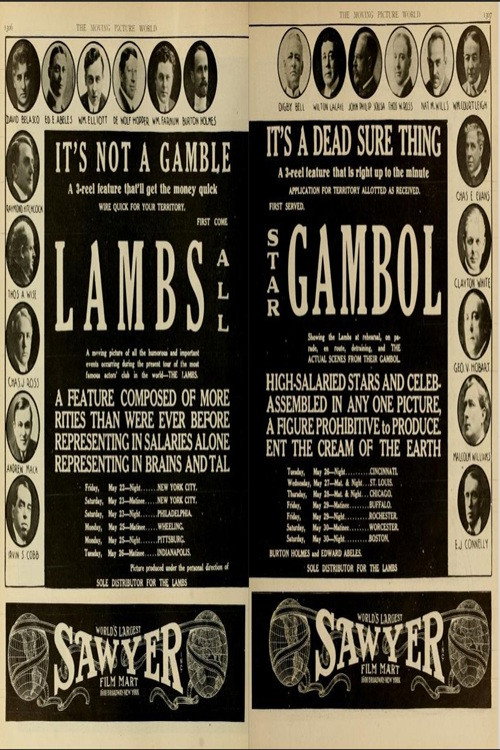
暂无中文简介。