

返魂香
返魂香玉蟾年幼时被丽珠所救,十五年后又通过沉香镯认出了丽珠,并在关键时刻帮助她脱险。一支沉香镯,交织玉蟾与丽珠两位女性的人生命运。朱石麟以娴熟的视听语言将此故事娓娓道来。英茵与丁芝两位女士在影片中贡献了生动精彩的表演。影片也是中国最杰出的影人之一石挥先生的大银幕首作。
输入演员的中文名或英文名,先确认人物,再查看其参演电影(含配音,不含电视剧)。

Tu Guang Qi (1914 -1980), also known as 屠光啟. His original name was Tu Guangqi, and he was from Shaoxing, Zhejiang. He originally studied at Hangchow University. In 1935, he was admitted to the National School of Drama in Nanjing, graduating in 1937. In the same year, the War of Resistance broke out, and he served as a drama section staff member in the Seventh Division of the Third Department of the Political Bureau of the Military Affairs Commission. In 1939, he moved from Wuhan to the Shanghai foreign concessions and joined the Shanghai Drama Society to perform in stage plays, including *Flowers Spilling Tears*, *The Deep Abyss*, and *Ge Nianniang*. *Ge Nianniang* was a massive box office hit that caused a sensation at the time. Zhang Shankun then adapted the stage play into a film titled ***Ge Nianniang*** (1939) under the name of Huacheng Film Company. Tu reprised his original role in the film, which was also the first motion picture he acted in. After the victory of the War of Resistance, he adapted the stage play *The Wild Rose* into the film ***Spy Number One*** (1946) for the Third Studio of the Central Motion Picture Corporation in Peiping (now Beijing), starring Ouyang Shafei. The film tells the heroic story of a Chinese female spy lurking in the home of a traitor; with its twists and thrilling romance, it was a tremendous box office success and one of the most famous post-war Chinese films, which also brought Tu widespread fame. Following that, he directed ***A Tragic Marriage*** (1947), adapted from Xu Zhenya's famous tragic novel *Jade Pear Spirit*, which was also very popular. In addition, he established his own Qihua Film Company. In 1950, invited by Zhang Shankun, he moved from Shanghai to Hong Kong to make films. The first film he directed in Hong Kong was ***To See the Clouds Roll*** (1950), produced by Zhang Shankun's Far East Film Company. ***Angel and Devil*** (1952), starring Chen Yunshang and marking the resumption of operations for Zhang Shankun's Xinhua Film Company, was also directed by Tu. During the 1950s, he primarily worked as a director for Xinhua Film Company, among which ***General Chai and Lady Balsam*** (1953) and ***The Dawn of China's Revolution*** (1953), both starring Li Lihua and based on historical figures, were his most successful and famous works. In 1963, Xinhua Company relocated to Taiwan and ended its film production operations in Hong Kong. Tu switched to directing Cantonese-language films for Wong Cheuk-hon's Ling Kwong Company. During the same period, he also directed several Teochew-dialect opera films. He temporarily stopped directing to write wuxia novels. In 1967, he joined Hong Kong's Cathay Organisation. The first wuxia film he directed for Cathay was ***The First Sword*** (1967), which was a solid box office success and also propelled actress Chen Manling to stardom. Afterward, he directed multiple wuxia films for Cathay until Cathay ended its Hong Kong film production operations in 1971. Tu's final directed film was ***Crush*** (1972). His last participation in film production was acting in ***The Valiant Ones*** (1975), directed by King Hu. He immigrated to the United States in 1973 and passed away from illness in Los Angeles on May 30, 1980.
人物资料来源:TMDB玉蟾年幼时被丽珠所救,十五年后又通过沉香镯认出了丽珠,并在关键时刻帮助她脱险。一支沉香镯,交织玉蟾与丽珠两位女性的人生命运。朱石麟以娴熟的视听语言将此故事娓娓道来。英茵与丁芝两位女士在影片中贡献了生动精彩的表演。影片也是中国最杰出的影人之一石挥先生的大银幕首作。

富商洪大昌已有贤惠美丽的妻子静芬,但风流惯了的他却在婚后依然流连于风月场所,经常夜不归宿。静芬非常伤心,决定寻找律师办理离婚手续。负责此事的黄律师与洪是好友,而黄太太碰巧是静芬久未谋面的老同学。黄氏夫妇决心要帮助静芬与洪重归于好,便办了一个游园会,邀请洪携妻子参加。洪以静芬身体不适为由单身赴会。席间,一美貌温柔、姿态大方的女子引起了众人的注目。洪惊愕的发现此女正是妻子静芬。静芬对洪十分冷淡,反与他人态度亲密。洪深受刺激,向黄氏夫妇忏悔了自己的错误,希望妻子能够与他回家。但静芬却已准备独自离开,通过这件事情,她认识到女性一定要自立。

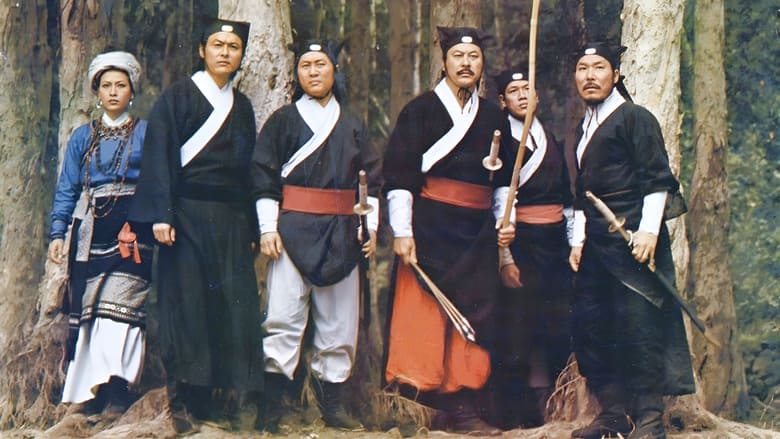
在胡金铨的年表中,《忠烈图》似乎恰成分水岭,此后他对影片中武打场面的经营渐渐递减,开始强调更多形而上的思维。本片描述明朝一群忠义侠士,抵御倭寇入侵的故事,最精彩处在于胡导大量以「棋盘」布阵的创意,藉以比喻敌我双方的对峙。除了徐枫、白鹰等班底,片中还能看到洪金宝、元彪、元华这些后来的武打明星的年轻模样。

从1937年11月底上海沦陷,到1941年12月8日太平洋战争爆发、日军进入租界为止,历史上称为“孤岛”时期。那一时期的上海租界,政治环境极其险恶。张善琨以古装片《木兰从军》(1938)借古喻今,轰动一时,掀起了古装片的热潮,但很快就被大量粗制滥造的才子佳人民间故事类古装片所取代。 在孤岛影坛的一片混沌中,费穆和民华公司主持人金信民、童振民,花了近一年的时间与巨额资金拍摄《孔夫子》,可以说是众醉独醒、逆流而上。《孔夫子》是民华的创业之作,影片没有慷慨激昂、振奋人心的戏剧性,反倒处处透出悲怆的情怀。作品中的孔子身处衰世,先后困于奸乱,绝粮陈蔡,弟子死难,家人凋零,落得孑然一身却仍与世抗衡,节高气傲。 《孔夫子》绝不是一部讨巧的电影。在华语电影大片横行的今天,费穆在“史”与“剧”之间的思考、对电影美学方面的探索,尤其显得难能可贵。 《孔夫子》虽然摄于上海,却原来与香港有着千丝万缕的关系。1938年,金信民、演员张翼和导演费穆等人都因躲避战祸暂居香港而结缘,《孔夫子》的拍摄念头便是在这种情况下孕育出来的。大半个世纪后,竟又在香港发现了《孔夫子》的硝酸底片,仿佛冥冥中注定。 中国 / 1940 / 黑白 / 35mm / 国语(缺少部分声本)/ 中英文字幕 / 87分钟 /(另加9分钟零碎片段)

周末,赵先生下班后,打算携妻子同 去赴宴。但家里却是一片凌乱,原来 女佣王妈因事回乡,赵太太必须在家 看管孩子。赵先生只好单独前往,但 晚礼服及衬衫、领带等均不知王妈放 置何处。他俩费劲地逐件找齐后,衬 衫上又被孩子菱菱按上两个黑手印。 赵先生一气之下,只得打电话去宴会 会场表示歉意。时钟敲响七点,赵太 太方才下厨生煤球炉煮饭。她把煤烟 灌满了整个住宅,而炉子却仍未生旺 。赵先生声称必须挽救危局,但七弄 八弄,仍然归于失败。一家三口,只 好外出就餐。翌日清晨,赵先生买回 诸多菜肴。在央求邻居代为杀鸡前, 赵先生忽又讲起鸡道主义,让临终的 鸡获得片刻的解放,结果是鸡飞蛋打 。而篮中的鱼,又给二楼的两只花猫 作了早餐。夫妻间口角陡起,赵太太 在盛怒之下提出离婚,赵先生不答应 ,于是双方协议暂时分居。赵先生搬 到公司宿舍里去住,而赵太太则每天 学着做不习惯做的事。时经一月,又 是一个周末,赵先生下班回来,家里 一切井然有序,满桌菜肴,香味扑鼻 ,一家三口,气氛融洽,赵先生问, 是否去请王妈回来?赵太太答称, 本领已经练就,无须再求人。 屠光启饰赵先生 周曼华饰赵太太 中华电影联合股份有限公司1943年摄制。