
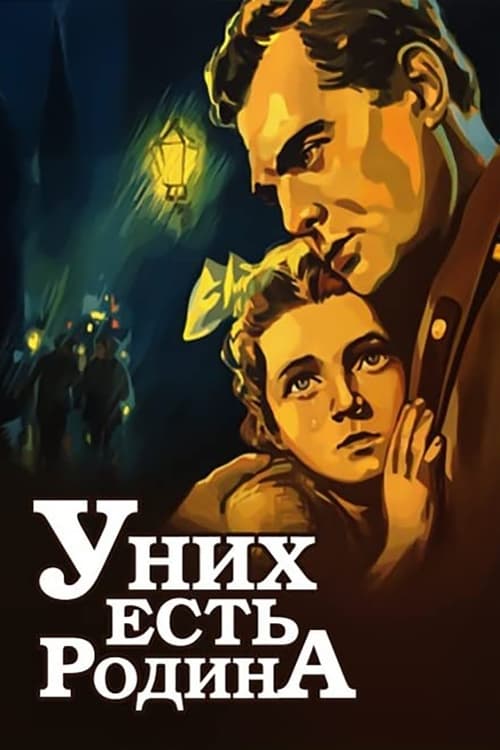
他们有祖国
У них есть Родина通过西德境内一个孤儿院,描写美帝卑鄙无耻惨无人道的将德寇侵苏战争时掳去的苏联儿童霸占,不放回苏联,要使这些孩子忘记自己的祖国,去给他们充当奴隶,经过苏联代表揭露他们的诡计,终于将这些孩子们救回祖国。
输入演员的中文名或英文名,先确认人物,再查看其参演电影(含配音,不含电视剧)。

暂无中文生平,以下显示来源原文。
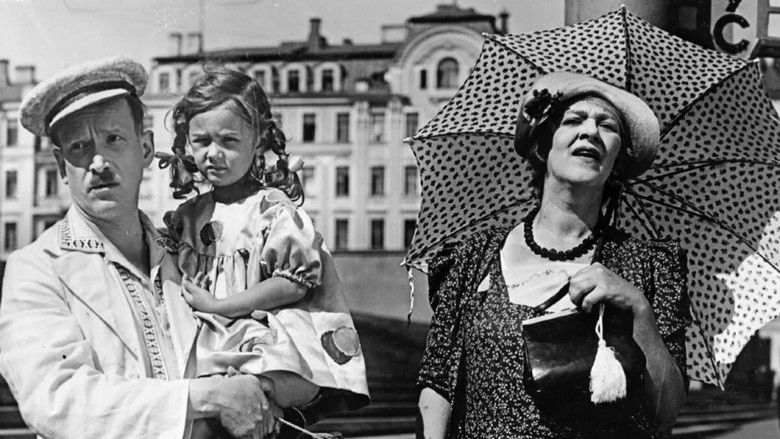
Faina Georgiyevna Ranevskaya (born Faina Girschevna Feldman, on August 27th, 1896 in Taganrog), was a Soviet theatre and film actress. She is also very well known for her cheeky aphorisms. In childhood, she attended the Mariinskaya Gymnasium for Girls, receiving additional education usual for someone from an affluent family (music, singing, foreign languages). Heavily influenced by her mother's love for the arts, Ranevskaya had a budding interest in theatre and by the age of 14 was attending classes at the private theatre studio of A. Jagiello (A.N. Govberg), graduating in 1914. In 1915 she decided to move to Moscow, becoming estranged from her family due to her choice of career. During these years she met M. Tsvetaeva, O. Mandelstam, V. Mayakovsky, and V. Kachalov. In the post-revolutionary years, her family left Russia and settled in Prague, but she stayed to continue pursuing theatre. She worked in the theatres of Kerch, Rostov-on-Don, at the mobile theatre "The First Soviet Theater" in Crimea, also in Baku, Arkhangelsk, Smolensk, etc. In fall of 1915, Ranevskaya signed a contract to work in the Kerch troupe of Madame Lavrovskaya. Sadly, the public did not express great interest in the new troupe. Ranevskaya chose her stage name in honor of the main character in Anton Chekhov's play The Cherry Orchard. Once, on a walk with a fellow troupe member, Ranevskaya decided to check into the bank. The actress recalls the birth of this pseudonym: "When we came out of the massive bank doors, a gust of wind tore the banknotes out of my hands – the entire amount. I stopped, and, looking at the flying banknotes, said: 'Shame about the money, but how beautifully it flies away!' 'But indeed, you are Ranevskaya!' exclaimed her companion. 'Only she could say that!' When I later had to choose a pseudonym, I decided to take the surname of Chekhov's heroine. We have something in common–but far from everything, far from everything..." Ranevskaya also used to joke about herself, saying that she was Ranevskaya because she had butterfingers. Ranevskaya's mother and her had both greatly admired the writer himself. In 1934, she made her debut in film as Madame Loiseau in Pyshka (dir. Mikhail Romm), based on Boule de Suif by Guy de Maupassant. Romain Rolland, a French writer, loved the film (his favorite actor in the movie was Ranevskaya). At his request it was shown in French cinemas and became a box-office hit. She remained both prominent film and theatre actress, although most of her work remained in theatre. In her later years, Ranevskaya professed that meeting Pavla Woolf drastically changed her fate; it was thanks to Woolf that she became an actress. They met in 1918, when Ranevskaya worked as an extra for a circus production. She happened to see Pavla Woolf in "A Nest of the Gentlefolk", which left upon her a big impression. She asked the actress to help her (who willingly accepted), and from that day on they remained very close friends.
人物资料来源:TMDB从参演电影片单按 TMDB 评分人数选取。


通过西德境内一个孤儿院,描写美帝卑鄙无耻惨无人道的将德寇侵苏战争时掳去的苏联儿童霸占,不放回苏联,要使这些孩子忘记自己的祖国,去给他们充当奴隶,经过苏联代表揭露他们的诡计,终于将这些孩子们救回祖国。
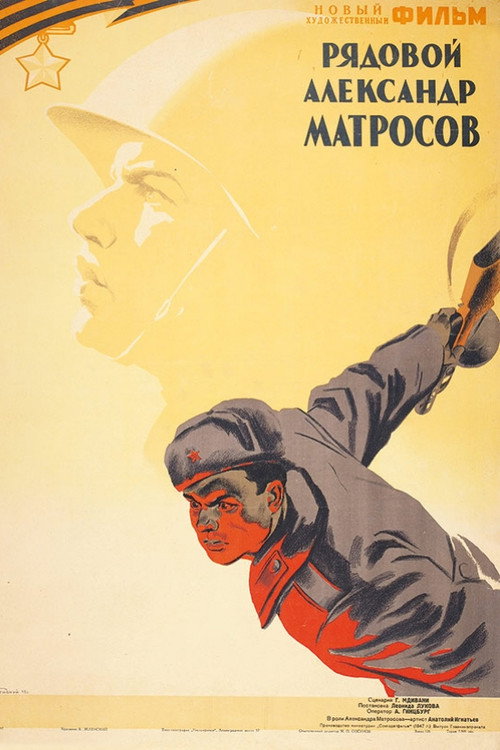
这部影片描写的是苏联卫国战争时期,红军战士马特洛索夫英勇顽强,为了保证战斗的胜利他用自己的身体堵住了敌人从碉堡里射出的子弹,最后壮烈献身的故事。 为了让大众都能看得懂这部外国影片,译制影片《普通一兵》没有采取以往打幻灯字幕或“译意风”等翻译形式,而是采取由中国演员分别为影片里的人物直接配上汉语语言的办法。导演袁乃晨在翻译徐立群、孟广钧将电影原文剧本翻译过来后,经过一段时间的摸索、试验,终于翻译成了后来命名为《普通一兵》的译制片。从此,《普通一兵》用的配音方法,就成为我国译制外国影片的最佳方法。这种译制外国影片的方法,从专业的角度上叫做 “翻译片”,而人们更愿意称之为“译制片”。
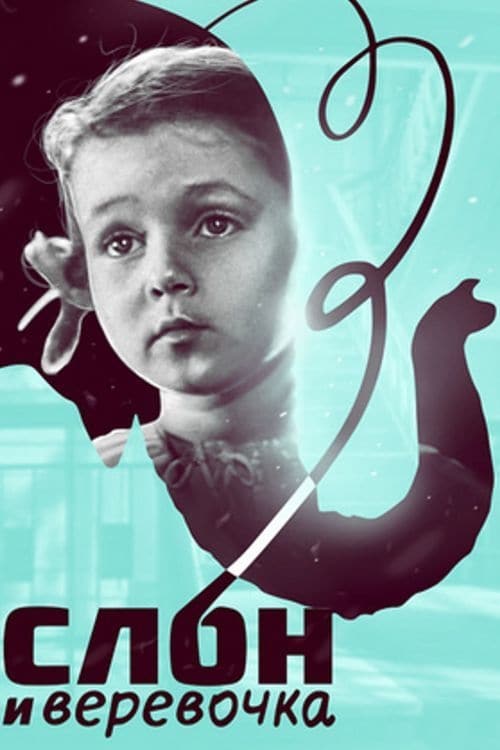
暂无中文简介。
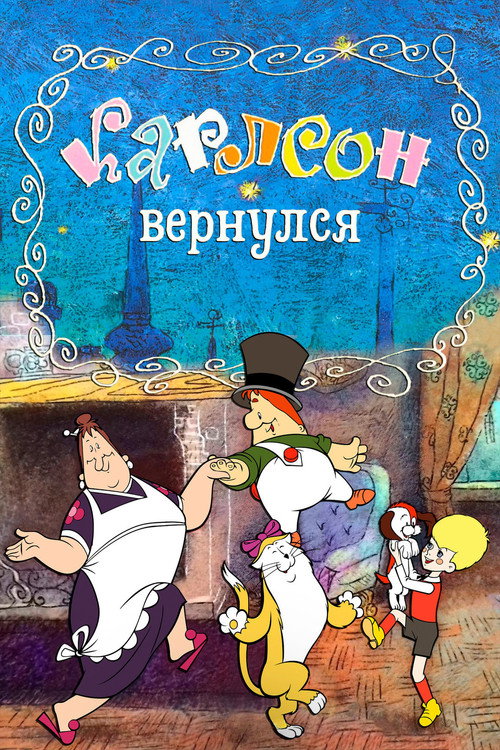
暂无中文简介。
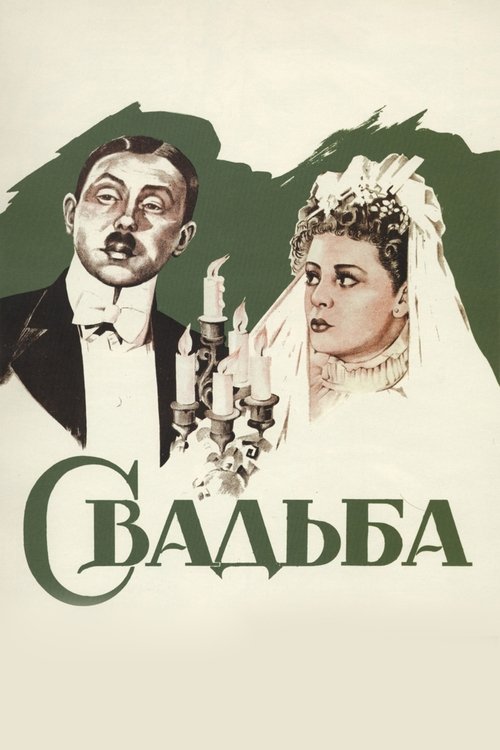
暂无中文简介。
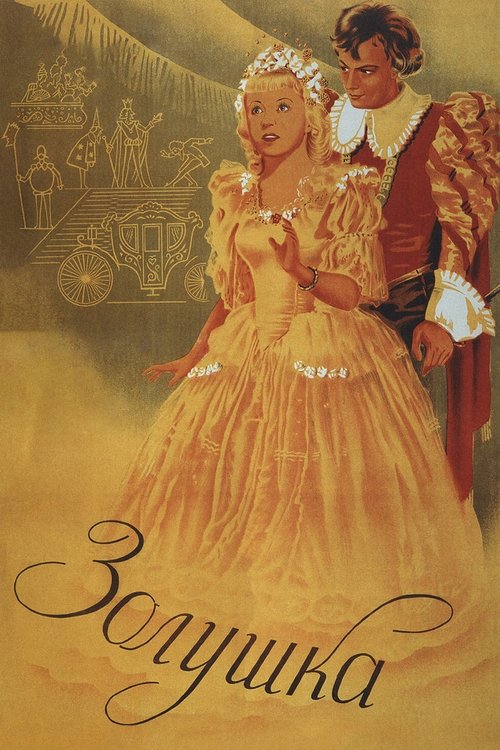
暂无中文简介。
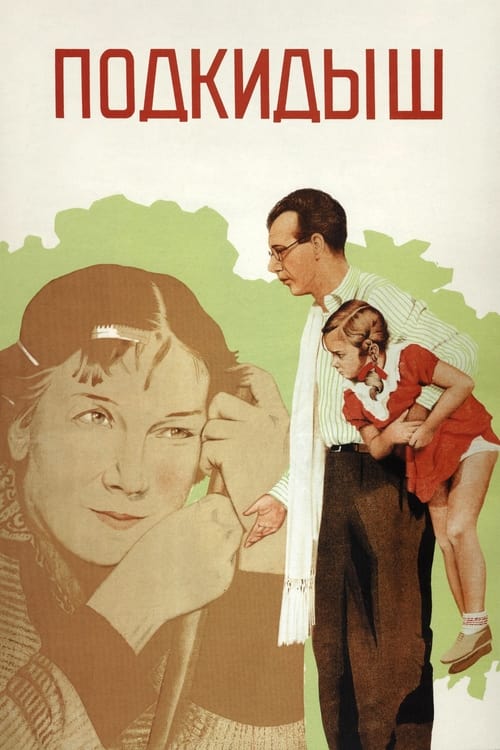
暂无中文简介。
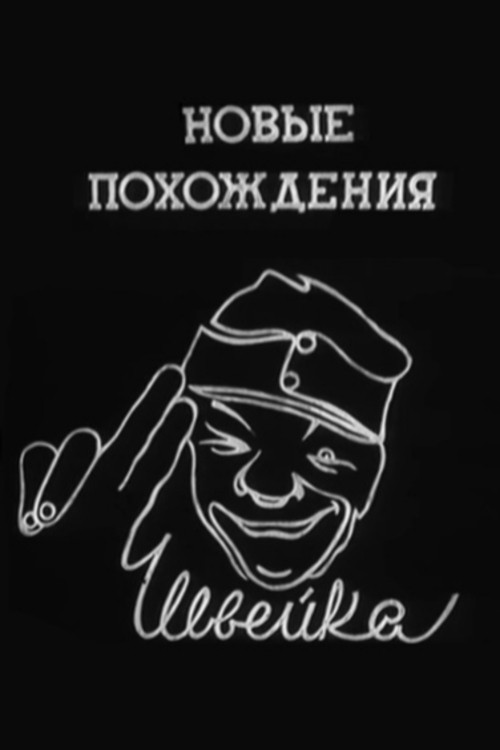
暂无中文简介。
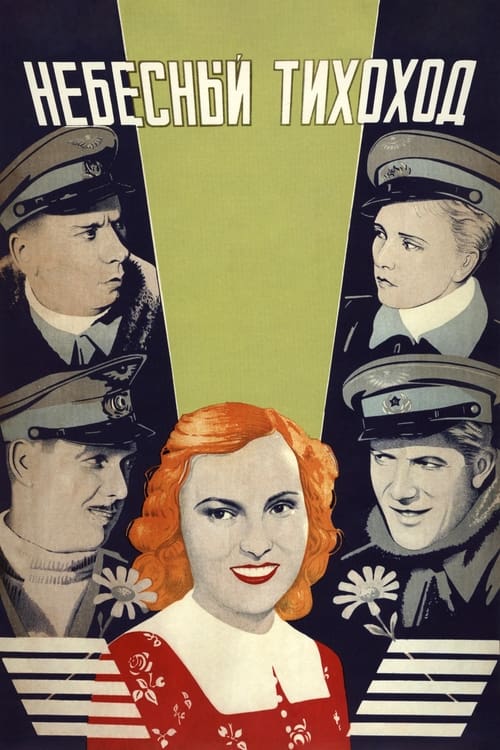
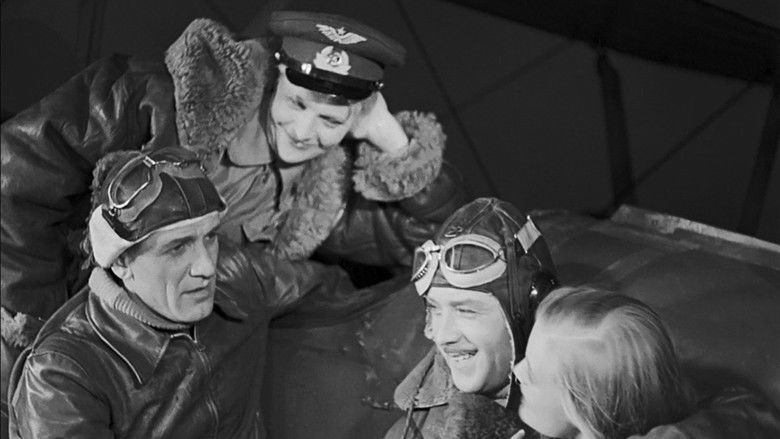
三名飞行员是最好的朋友,也是优秀的战士。二战期间,他们发誓在战争结束前不谈恋爱。但很快他们遇到了三位女飞行员。他们一个接一个地放弃了誓言,三人相爱了。
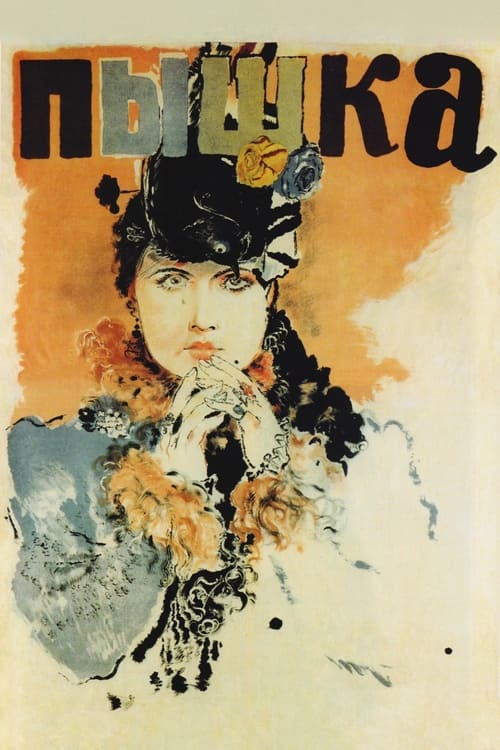
暂无中文简介。
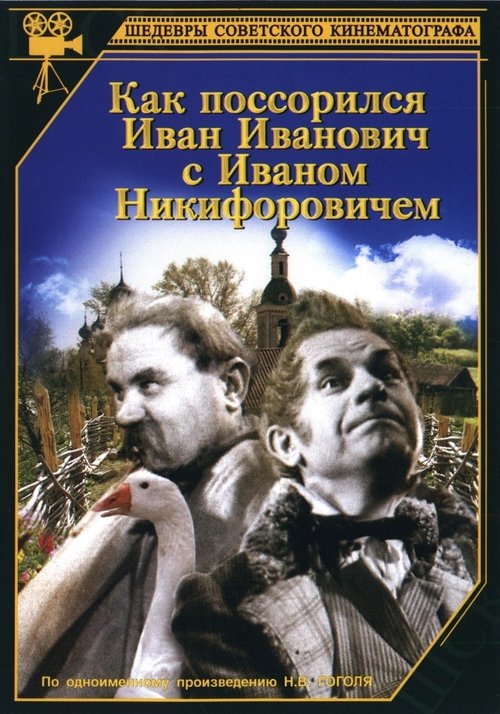
暂无中文简介。

暂无中文简介。
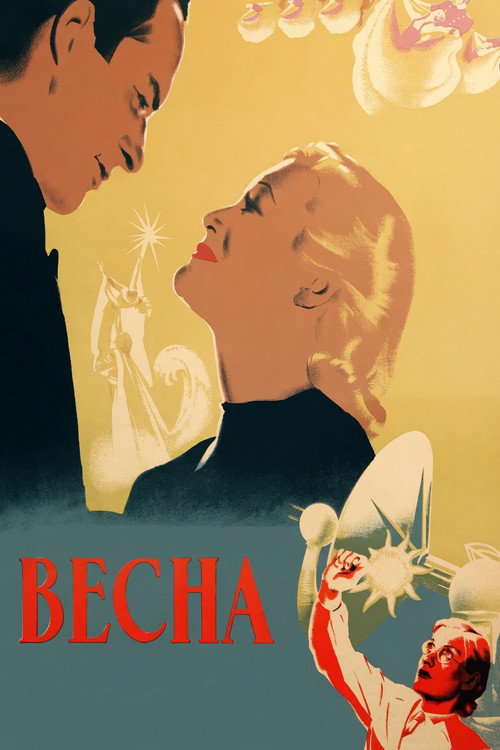
暂无中文简介。
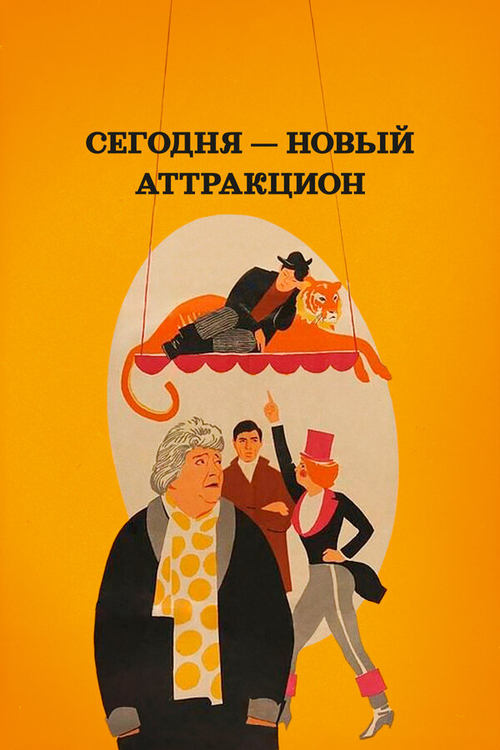
暂无中文简介。
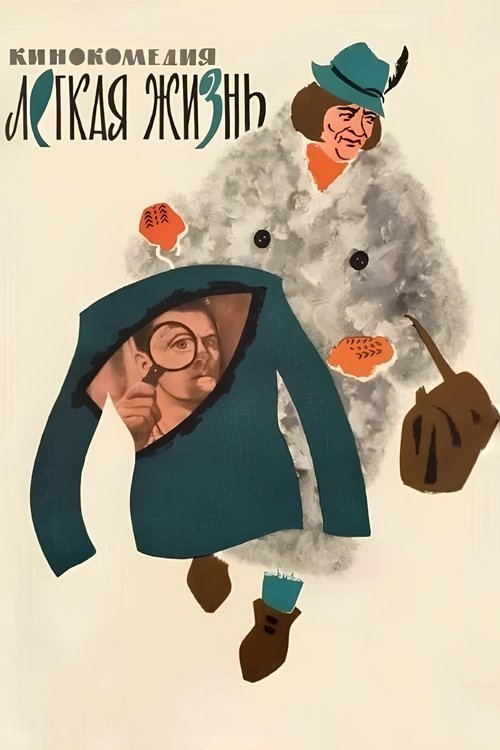
暂无中文简介。
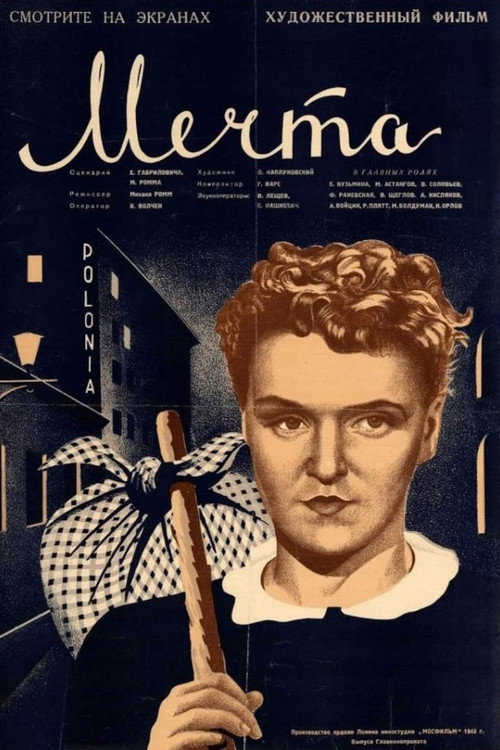
暂无中文简介。
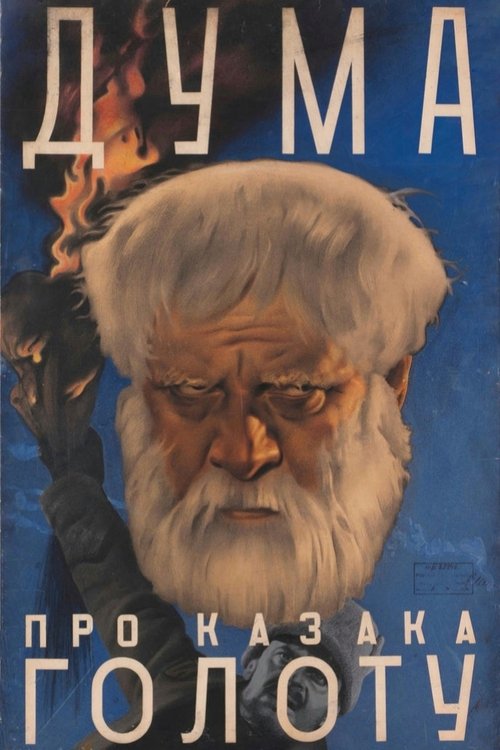
暂无中文简介。
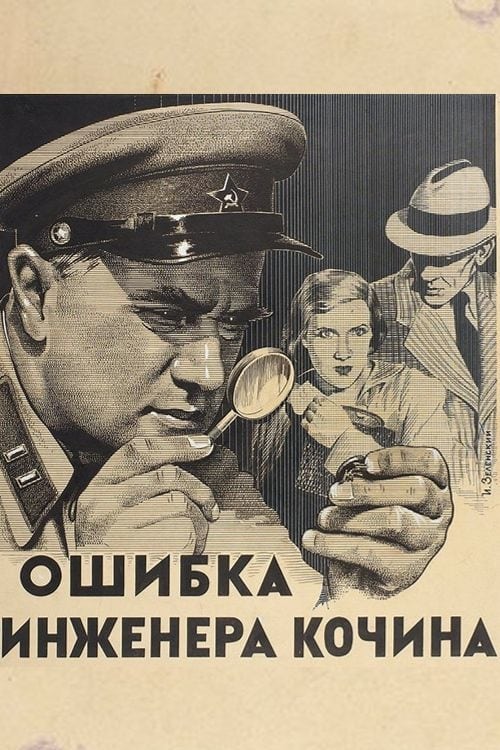
暂无中文简介。
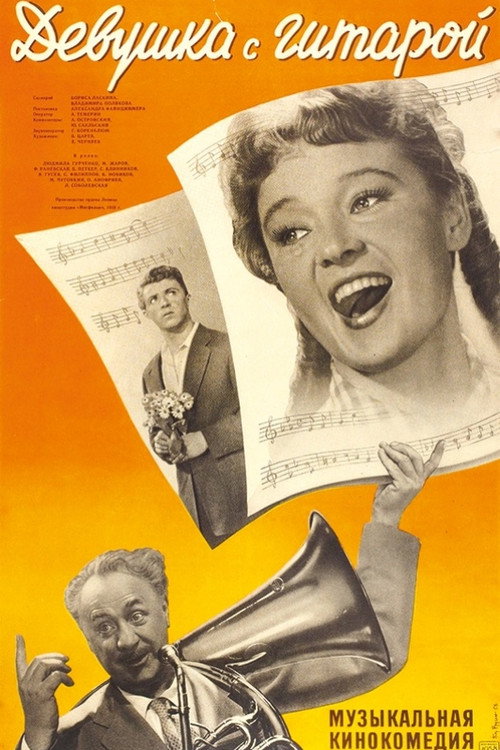
暂无中文简介。
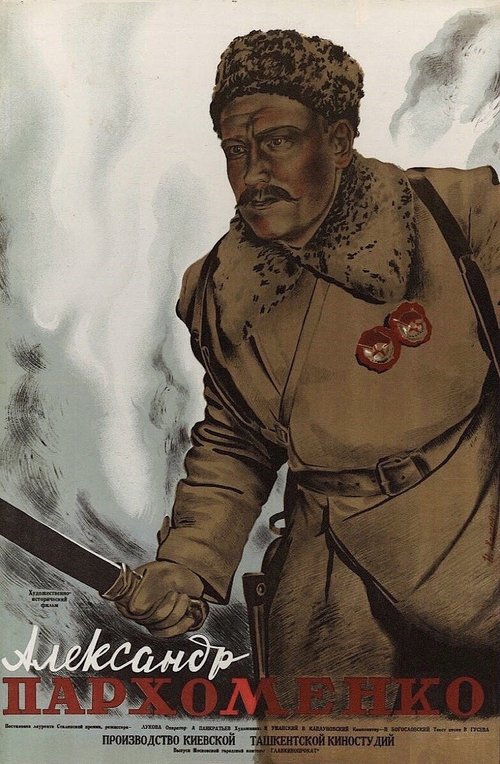
《Aleksandr Parkhomenko》是由列奥尼德·卢柯夫执导,弗谢沃洛德·伊万诺夫编剧,Aleksandr Khvylya、彼得·阿列伊尼科夫等主演的苏联传记战争电影,于1942年7月20日上映,片长94分钟。 该片以1918-1921年苏俄内战为背景,通过刻画乌克兰军事指挥官帕尔霍缅科的事迹,将历史事件重新诠释为服务于1941年苏联“伟大爱国战争”宣传的政治叙事。剧本基于伊万诺夫1939至1942年间发布的四个改编版本创作,反映了当时苏联外交政策与社会动员需求对艺术创作的直接影响。

暂无中文简介。
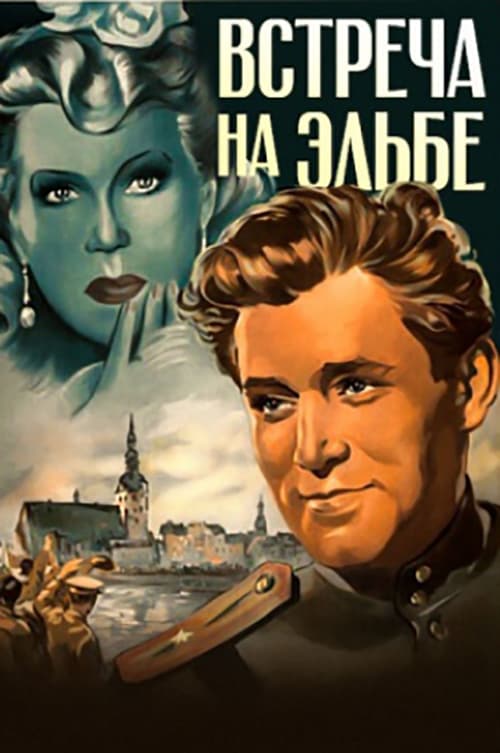
《易北河两岸》(别名《会师易北河》《江上会师》《易水相逢》,外文名“Встреча на Эльбе (Vstrecha na Elbe)”)是由格里高力·阿莱克桑德夫与阿列克谢·乌特金联合执导,列夫·舍伊宁等编剧,弗拉德连·达维多夫、康斯坦丁·纳索诺夫主演的苏联战争电影,1949年9月23日于奥地利首映,并于芬兰、瑞典等地上映 。影片以1945年苏美军队易北河会师为背景,片长104分钟,为黑白胶片、单声道影片,由Mosfilm制作,配乐由德米特里·肖斯塔科维奇创作,包含《保卫和平》《思念祖国》两首插曲 。 影片聚焦二战末期苏美双方在德国占领区的意识形态对抗:叙事主线围绕东岸兵工厂老博士的转变展开,穿插两军军官的交往与矛盾 。影片结尾,美军赫尔上校与苏军军官库兹明在即将被拆开的桥梁前告别,双方表达了“我们见面的时候是盟军,相处时是邻居,离别时是朋友,但愿我们永远也成不了敌人”的和平愿景。
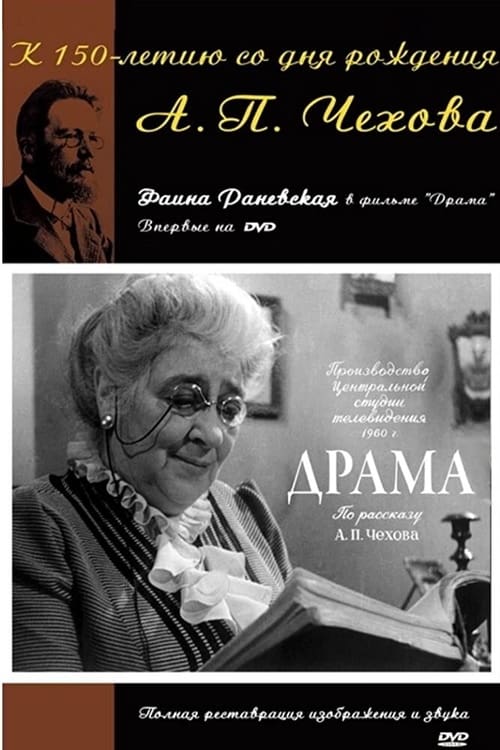
暂无中文简介。
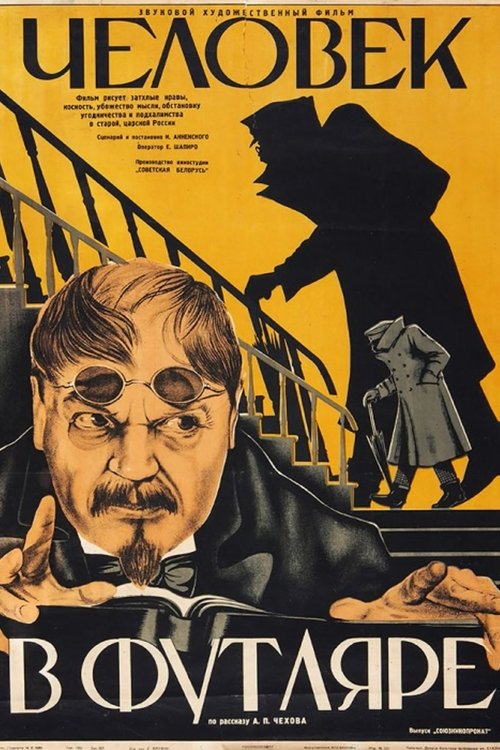
暂无中文简介。
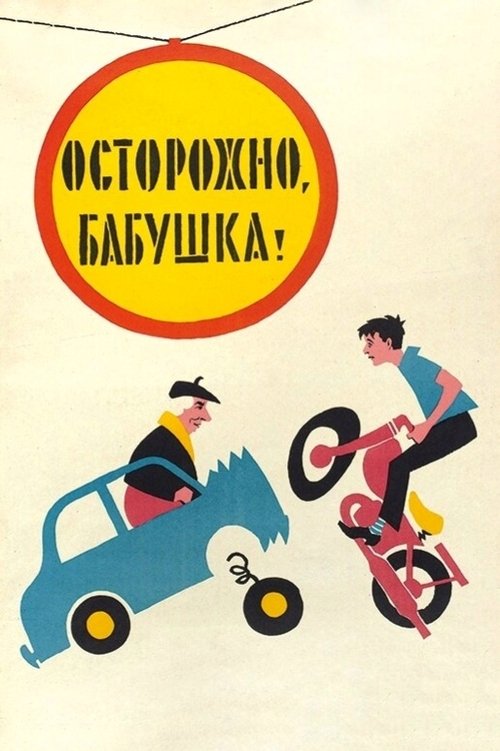
暂无中文简介。
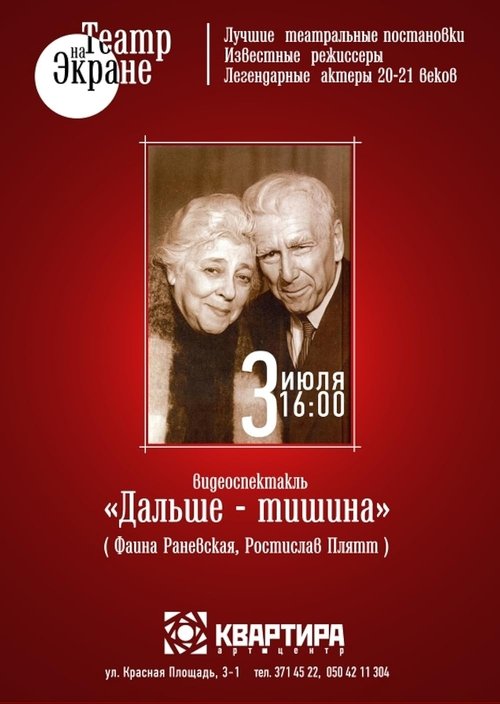
暂无中文简介。

暂无中文简介。
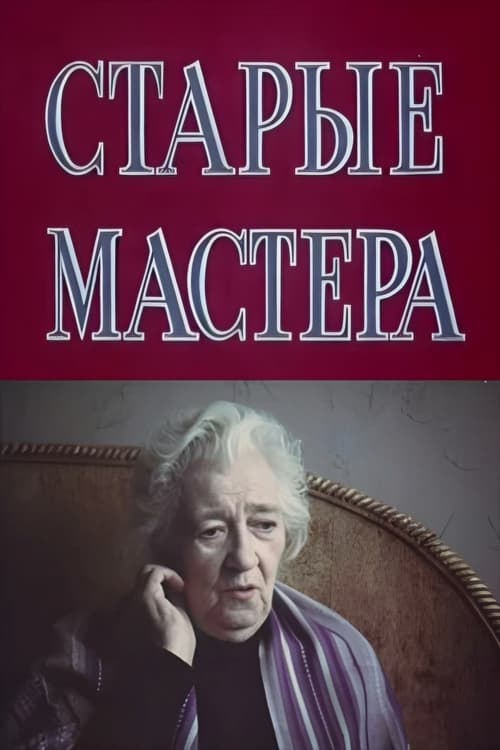
暂无中文简介。