



Будем ждать, возвращайся
Будем ждать, возвращайся暂无中文简介。
输入演员的中文名或英文名,先确认人物,再查看其参演电影(含配音,不含电视剧)。

暂无中文生平,以下显示来源原文。
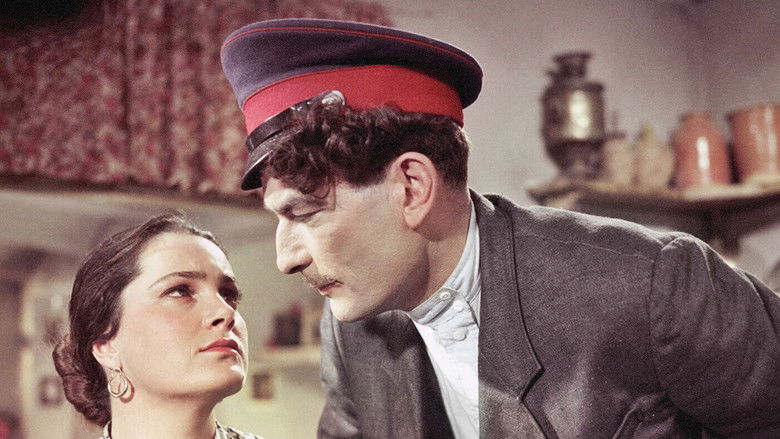
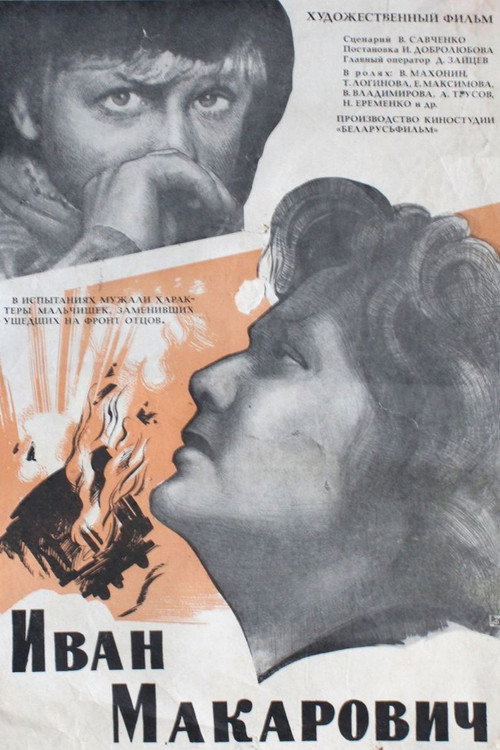
Elena Alexandrovna Maksimova (23.11.1905—23.09.1986) was born in Moscow to a grocer father (he sold non-perishable goods) and a housewife mother, who was often ill. Apart from her, there were two other daughters in the family. Following her father's death in 1920, her mother was forced by poverty to send all three daughters to Orphanage No. 55, located in the Sokolniki district. Shortly after, in 1922, her mother also passed. Thus, at the age of 17, she was left completely orphaned. From an early age, Elena Maximova had dreamed of becoming an actress. When she finished schooling in 1925, she immediately went to the film studio attached to ‘Moskprofobor’ (Москпрофобр) to sit her entrance exams. There was only one free place available, and it went to Elena – as the most talented of all the applicants. From 1925 to 1927, she trained under the guidance of renowned film masters Vladimir Gardin and Konstantin Eggert. Alongside her studies at the film studio, Elena Maksimova had to work as a press operator at a button factory. She worked in film since 1927, appearing in productions by various film studios in Moscow and Leningrad. Between 1940 and 1964, she was an actress at the Soyuzdetfilm studio (now the Gorky Film Studio). Honoured Artist of the RSFSR (30 September 1958). The characters she portrayed were distinguished by their realism and attention to everyday detail. Her heroines were most often active, energetic and impetuous, yet she was equally at home with gentle, lyrical roles. She served Soviet cinema for nearly fifty years, and her work was modest and selfless — rarely in supporting roles, but more often in small cameos.
人物资料来源:TMDB暂无中文简介。
暂无中文简介。
暂无中文简介。

暂无中文简介。

暂无中文简介。
暂无中文简介。
暂无中文简介。
暂无中文简介。
暂无中文简介。
暂无中文简介。
暂无中文简介。
暂无中文简介。

暂无中文简介。

暂无中文简介。
暂无中文简介。
暂无中文简介。

暂无中文简介。
暂无中文简介。
暂无中文简介。

暂无中文简介。

暂无中文简介。

暂无中文简介。

暂无中文简介。

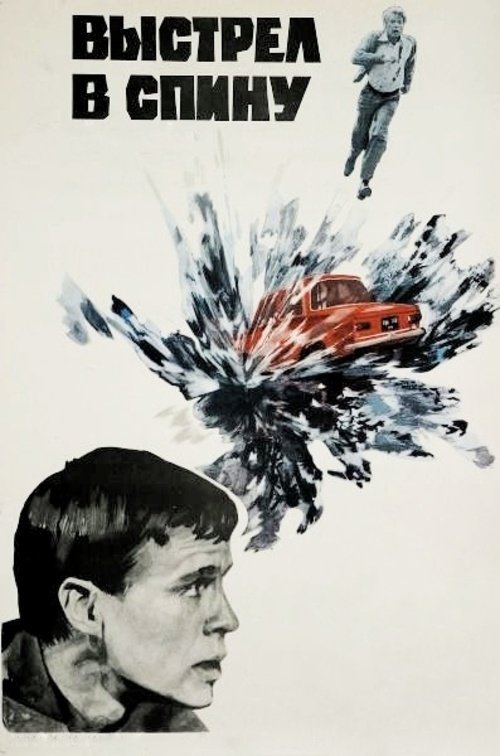
本片讲述了惯窃犯叶果尔刑满出狱后,遭到家乡的排斥,没有人欢迎他的回来。只好投靠城郊农场的女友柳芭,他是在监狱时通过书信往来结识的柳芭。虽然柳芭家里的人也不欢迎叶果尔,但他还是想务农成为一个自食其力的劳动者,终于如愿成为拖拉机手,成功塑造了叶果尔这个复杂的矛盾体。故事最终以叶果尔死于“老巢”盗窃头子的枪下而结束。
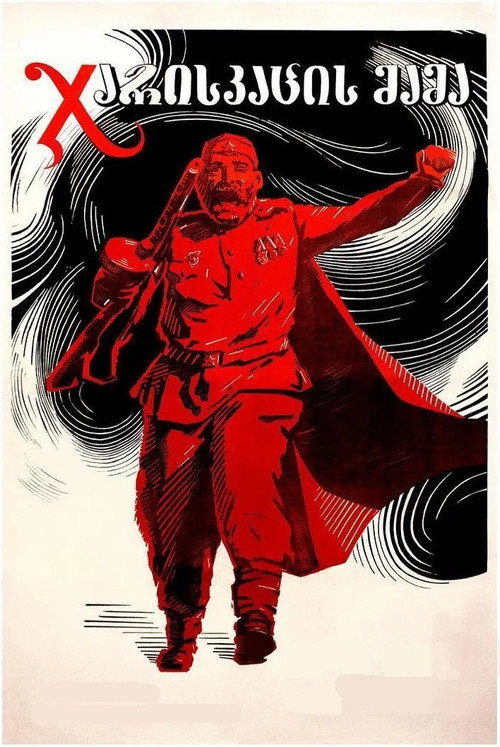
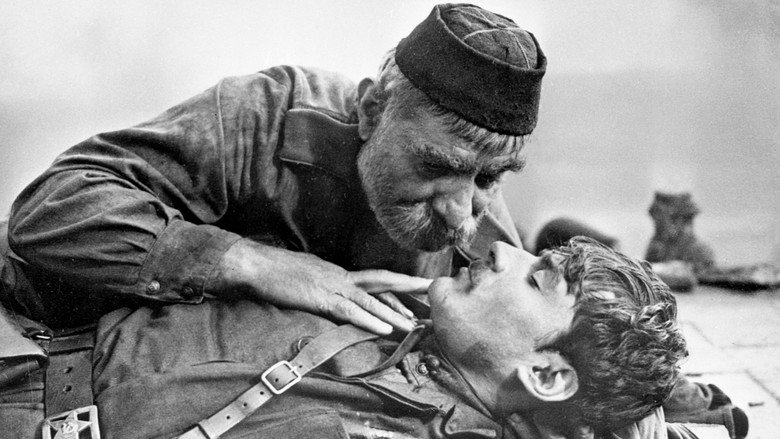
农民格奥尔基·马哈拉什维里收到了儿子高杰尔基在部队的来信,说他因负伤住进了后方医院。故决定去探望儿子,当赶到军医院时,儿子已经返回部队。老头子决定前往儿子所在部队,就在寻找儿子的过程中,他不由自主的参加了战斗,最终打消了回家的念头,参加了部队。当苏军战士消灭了敌人冲入大楼时,儿子已经倒在血泊中,他抱着奄奄一息的儿子,父子终于见到了最后一面……本片曾获第四届莫斯科国际电影节最佳男演员奖与1966年度列宁奖金。
暂无中文简介。
暂无中文简介。
暂无中文简介。

暂无中文简介。
暂无中文简介。
暂无中文简介。
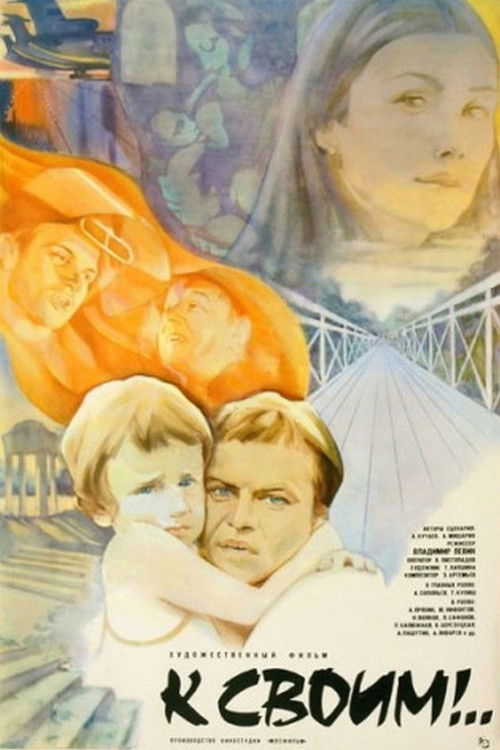
暂无中文简介。
暂无中文简介。
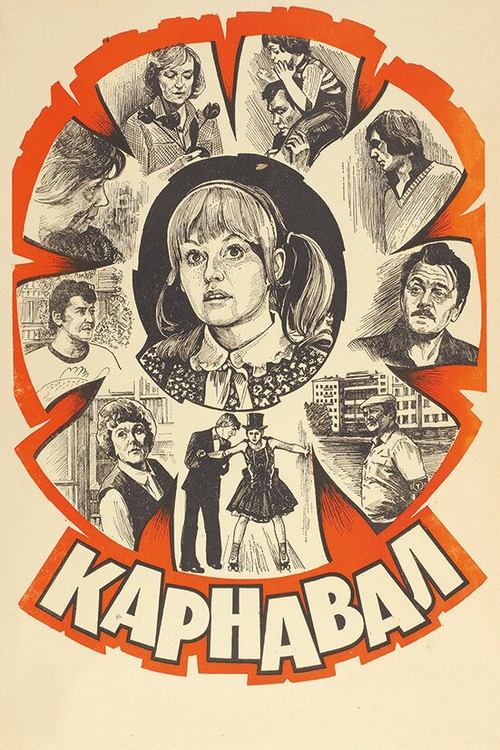
暂无中文简介。
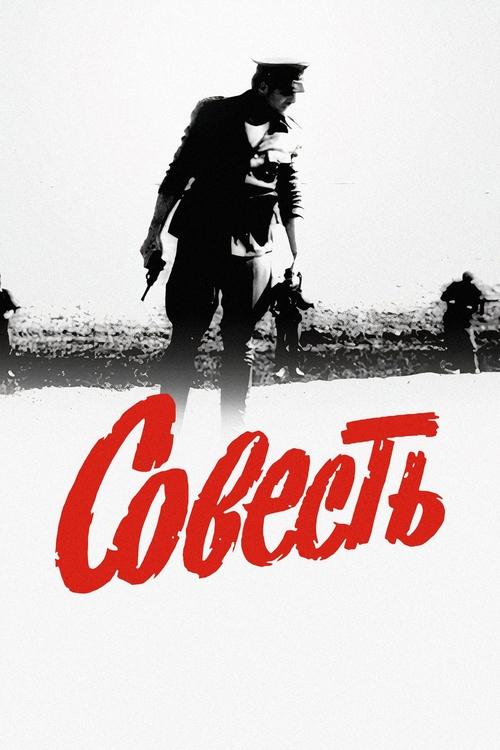
暂无中文简介。
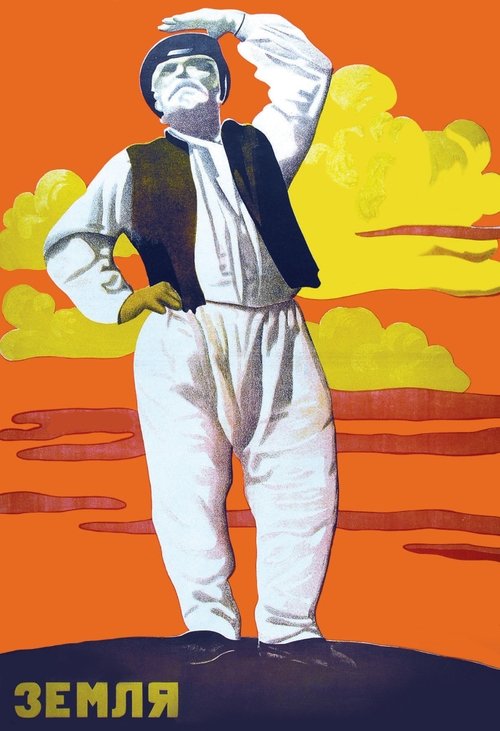
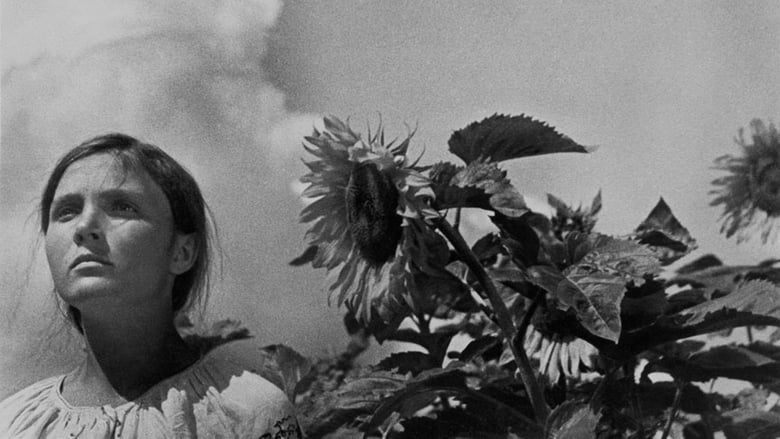
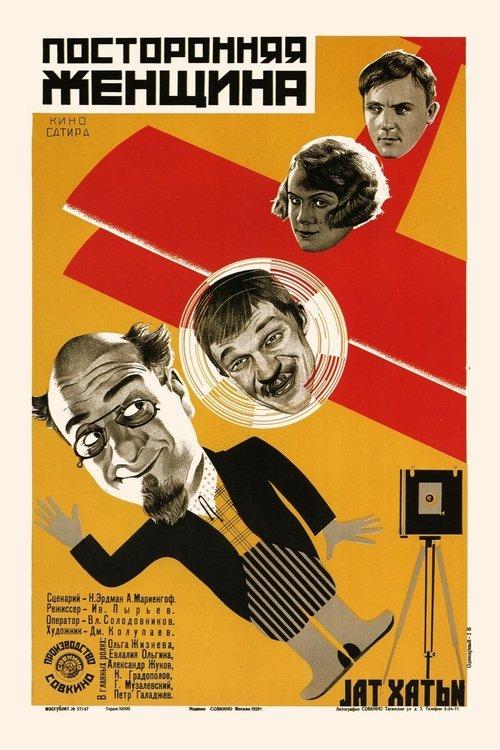
共青团员瓦西里主动帮助农民购买拖拉机,建立集体农庄,并成为农庄的组织者和领导者。但他的行为却招来富农们的仇视。在一个宁静的夜晚,瓦西里与未婚妻在田野上幸福的约会,之后两人相互道别回家。瓦西里内心的喜悦之情溢于言表。不料却在途中被富农的儿子科马开枪打死。人们怀着悲伤的心情为瓦西里送葬。全村人民同仇敌忾,意识上觉醒了,新买来的拖拉机推倒 小片土地上的地界,全体村民都要求加入集体农庄,杀人凶手科马则发疯了,他得到了应有的下场。
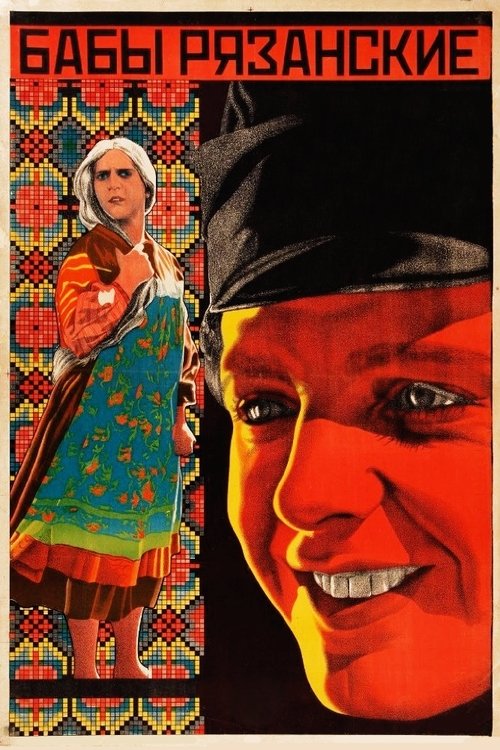
本片被认为是苏联默片时代最伟大的作品之一,Olga Preobrazhenskaya是苏联历史上首位女导演,在苏联早期电影史上她的位置非常重要。
暂无中文简介。
暂无中文简介。
暂无中文简介。